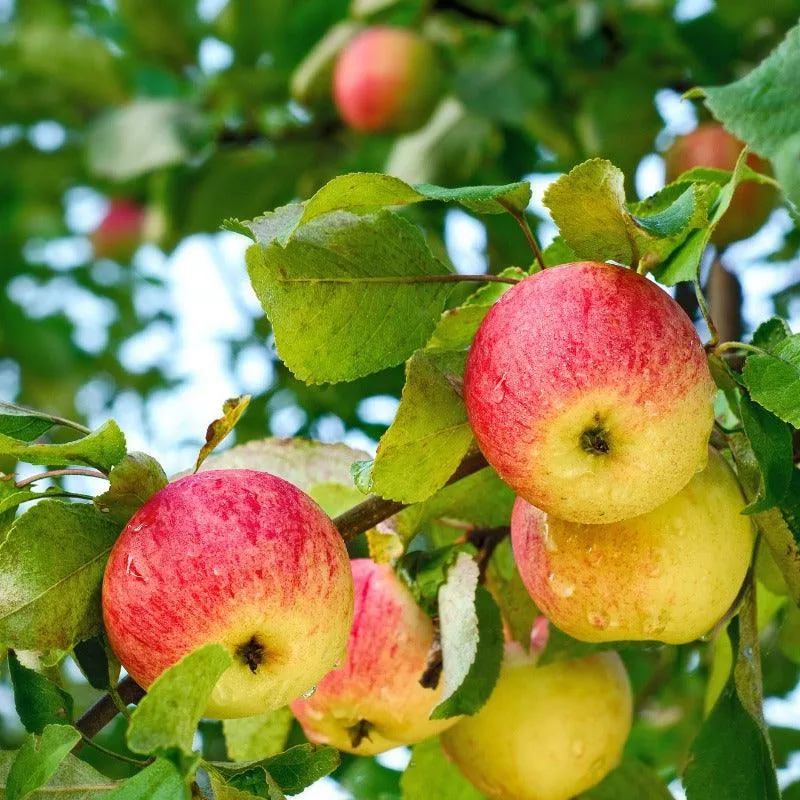
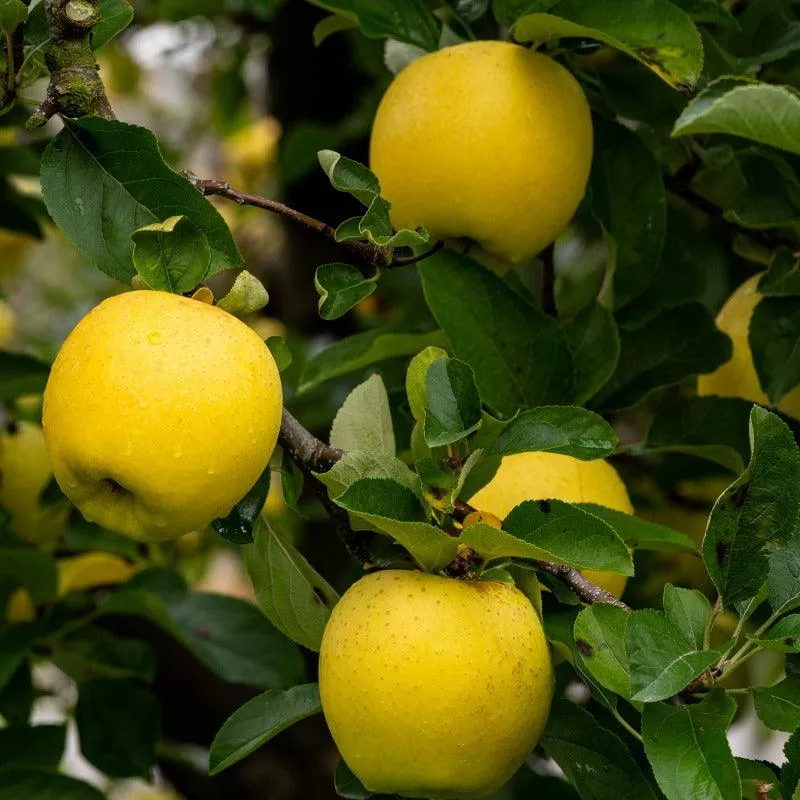
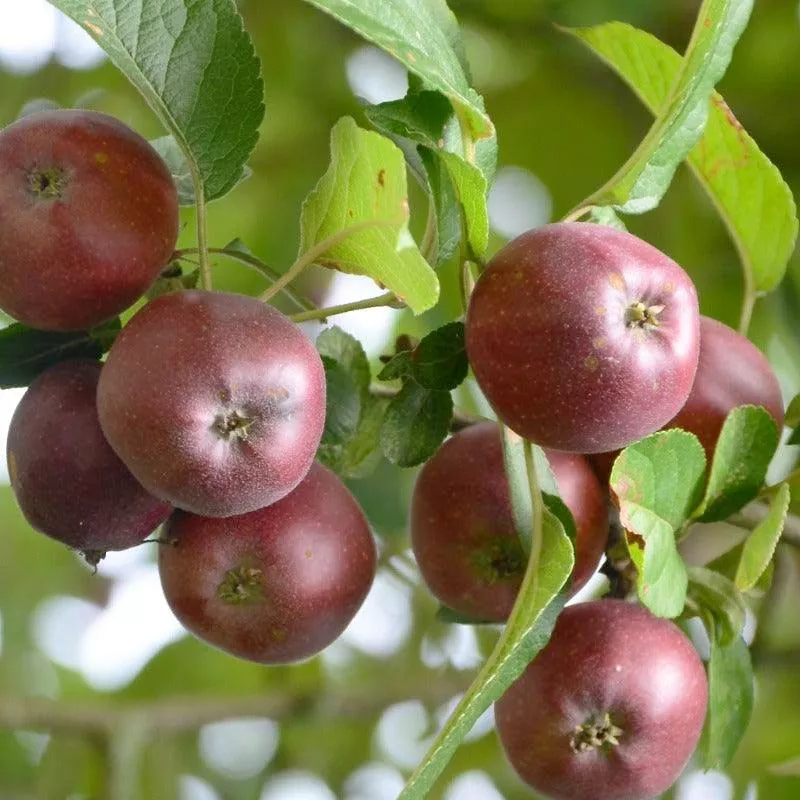
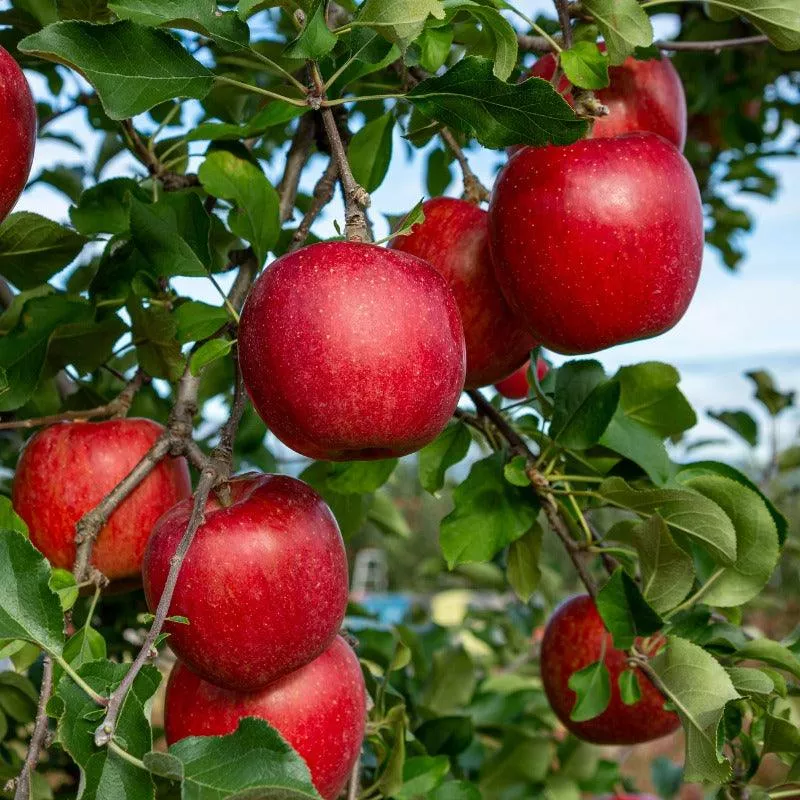
Braeburn Apple Tree produces a handsome, modern dessert apple with the crunch, spice, and versatility to move easily from the lunchbox to the kitchen. Medium to large fruit develops a glowing mixture of red, orange, and gold over green skin, while the dense flesh remains notably crisp and juicy. Its flavor balances sweetness and acidity with warm spicy notes, giving fresh slices more character than a simply sweet apple and helping the fruit retain personality in pies, crisps, sauce, cider, and dried snacks. Braeburn also keeps its texture and flavor well after harvest, extending the value of a productive fall crop. Fragrant spring flowers add beauty before the fruit develops. For shoppers seeking one tree that can deliver polished fresh-eating apples, dependable storage, and excellent cooking performance, Braeburn offers a remarkably complete package. The variety was named for Braeburn Orchards near Motueka, New Zealand, where the chance seedling was first grown commercially.
Braeburn needs about 700 chill hours and grows in USDA zones 5–10. This semi-dwarf tree on M-111 rootstock generally ripens from October into November.
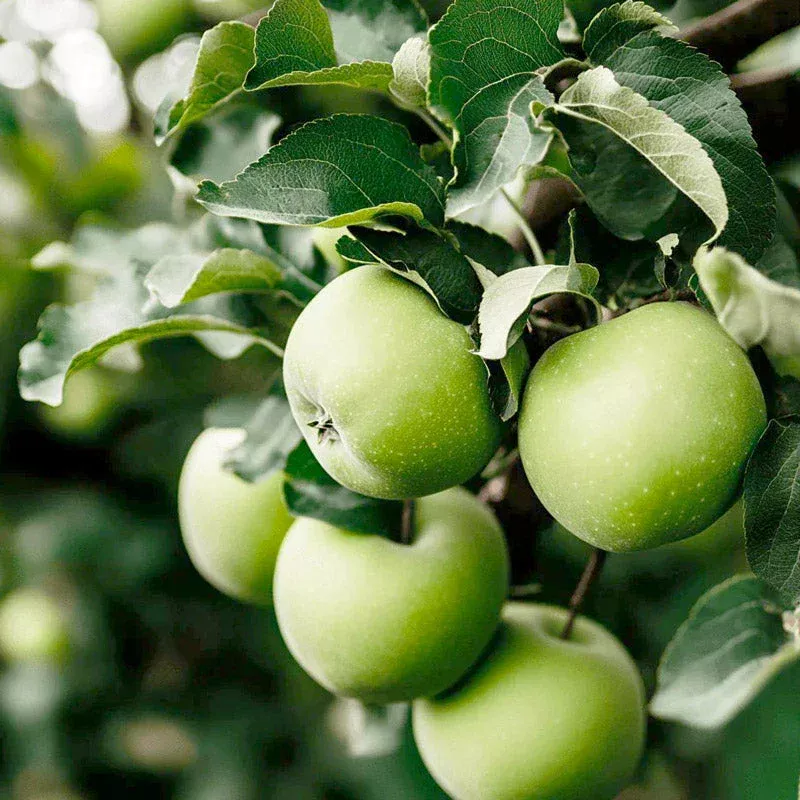
Braeburn can be self-fruitful in suitable climates, but a compatible pollinizer is important in colder areas and can improve fruit set generally. Granny Smith or Fuji are useful partners.
Braeburn Apple Tree Details
Fruit: Medium to large red-orange-and-gold apple over green skin
Flavor and texture: Dense, crisp, juicy, sweet-tart, and subtly spicy
Best uses: Fresh eating, baking, pies, sauce, cider, dehydrating, and storage
Harvest: October through November
USDA zones: 5–10
Chill hours: About 700 hours
Tree size: Semi-dwarf on M-111 rootstock
Rootstock: M-111
Pollination: Can be self-fruitful, but a compatible pollinizer improves reliability and is recommended in colder climates.
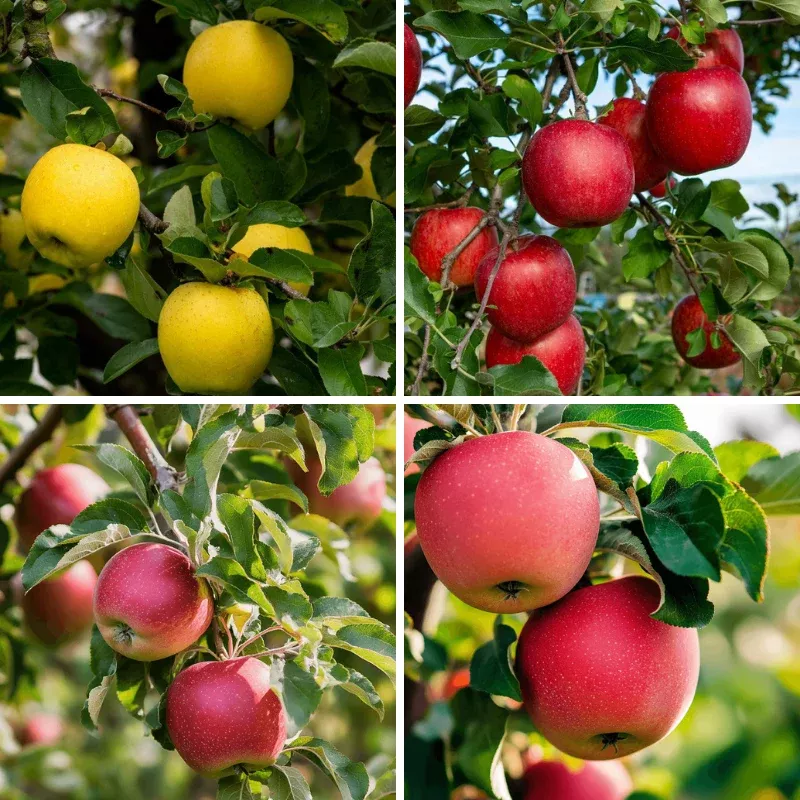
Recommended pollinizers: Plant with Granny Smith Apple or Fuji Red Apple.
Special care: Allow fruit to color fully and store cool to preserve its exceptional crunch.
Something Special: The variety was named for Braeburn Orchards near Motueka, New Zealand, where the chance seedling was first grown commercially.