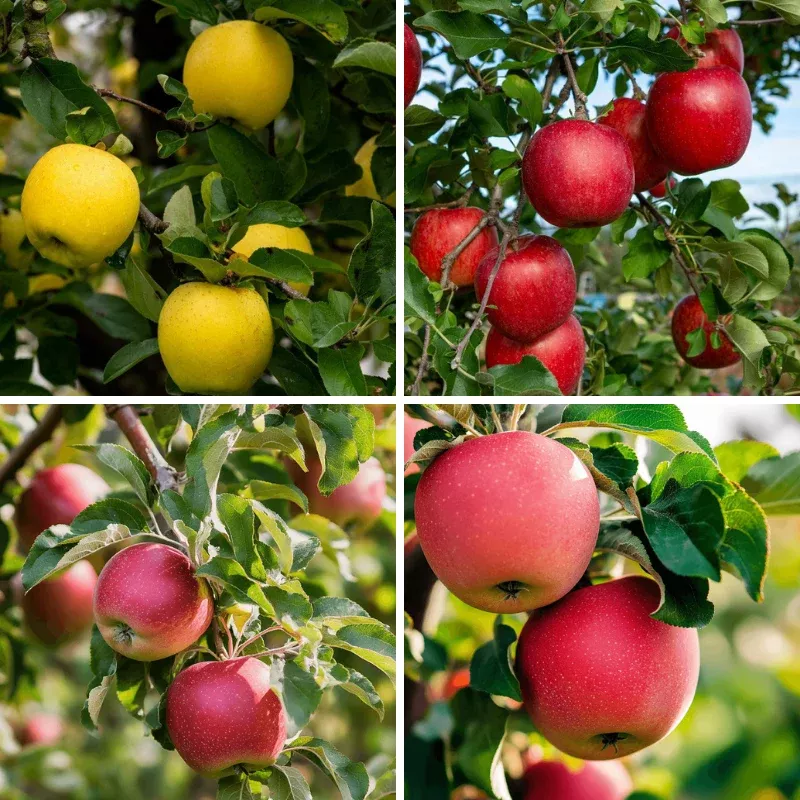
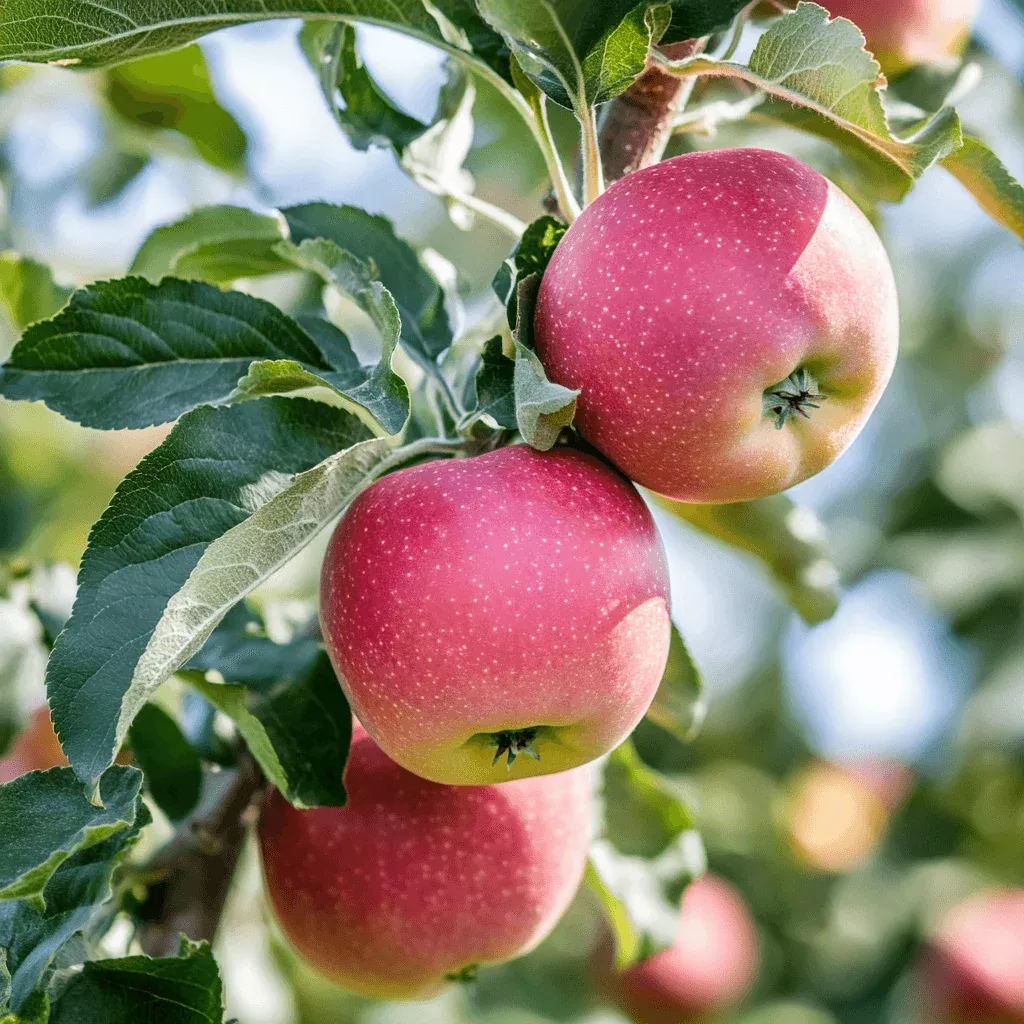
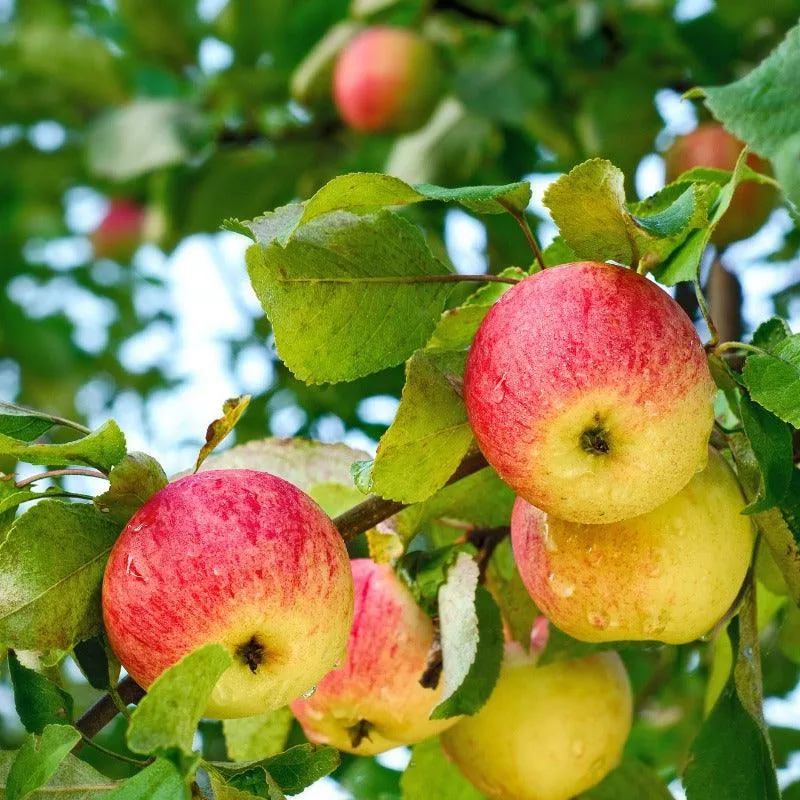
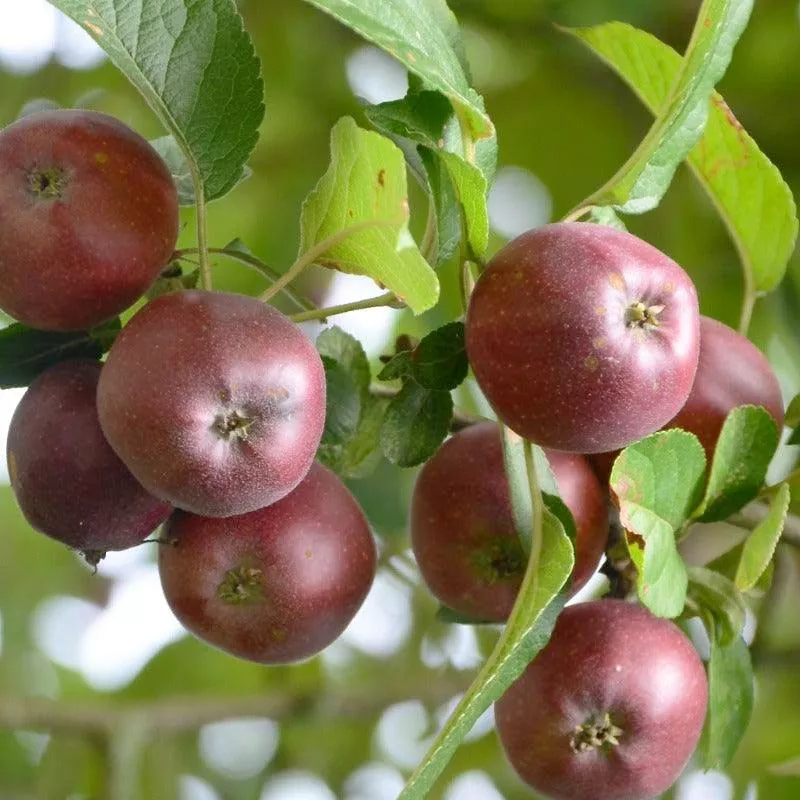
Cortland Apple Tree is a cold-hardy classic whose snowy white flesh stays attractive after slicing, making it especially useful for fruit plates, salads, and school lunches. Its large red fruit descends from McIntosh and carries that family’s fragrant, juicy character, balanced with enough sweetness and acidity to remain refreshing. The tender-crisp flesh is satisfying fresh and performs beautifully in pies, sauce, cider, and baked dishes, while its resistance to rapid browning keeps prepared slices looking inviting longer. Pink-white spring bloom brings orchard beauty before the early fall crop develops. For gardeners in genuinely cold regions, Cortland offers the reassuring hardiness of an eastern favorite along with a trait customers can appreciate every time they cut the fruit open. It is a practical, flavorful apple whose usefulness extends well beyond eating straight from the tree. Cortland was created in 1898 at the New York State Agricultural Experiment Station from Ben Davis and McIntosh and named for Cortland County.
Plant Cortland in full sun with well-drained soil and good airflow. Prune annually to renew fruiting wood, water consistently while fruit develops, and thin crowded clusters to improve size. Consistent moisture helps maintain its juicy flesh, while careful handling preserves the clean appearance of the fruit.
Cortland can produce on its own, but another compatible apple with overlapping bloom may improve fruit set and overall crop reliability.
Cortland Apple Tree Details
Fruit: Large red apple with bright white flesh
Flavor and texture: Juicy, fragrant, tender-crisp, and sweet-tart
Best uses: Fresh eating, salads, fruit plates, pies, sauce, baking, and cider
Pollination: Can bear alone; another compatible apple may improve fruit set.
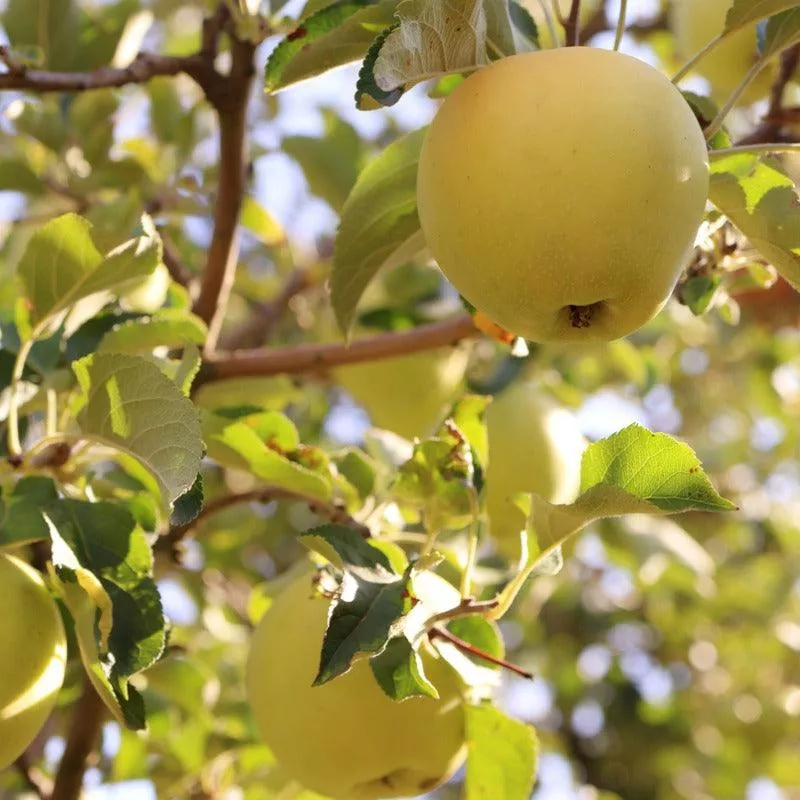
Recommended pollinizers: Pair with Golden Delicious Apple or Honeycrisp Apple where bloom overlaps.
Special care: Thin clusters and harvest carefully because tender-fleshed apples can bruise.
Something Special: Cortland was created in 1898 at the New York State Agricultural Experiment Station from Ben Davis and McIntosh and named for Cortland County.