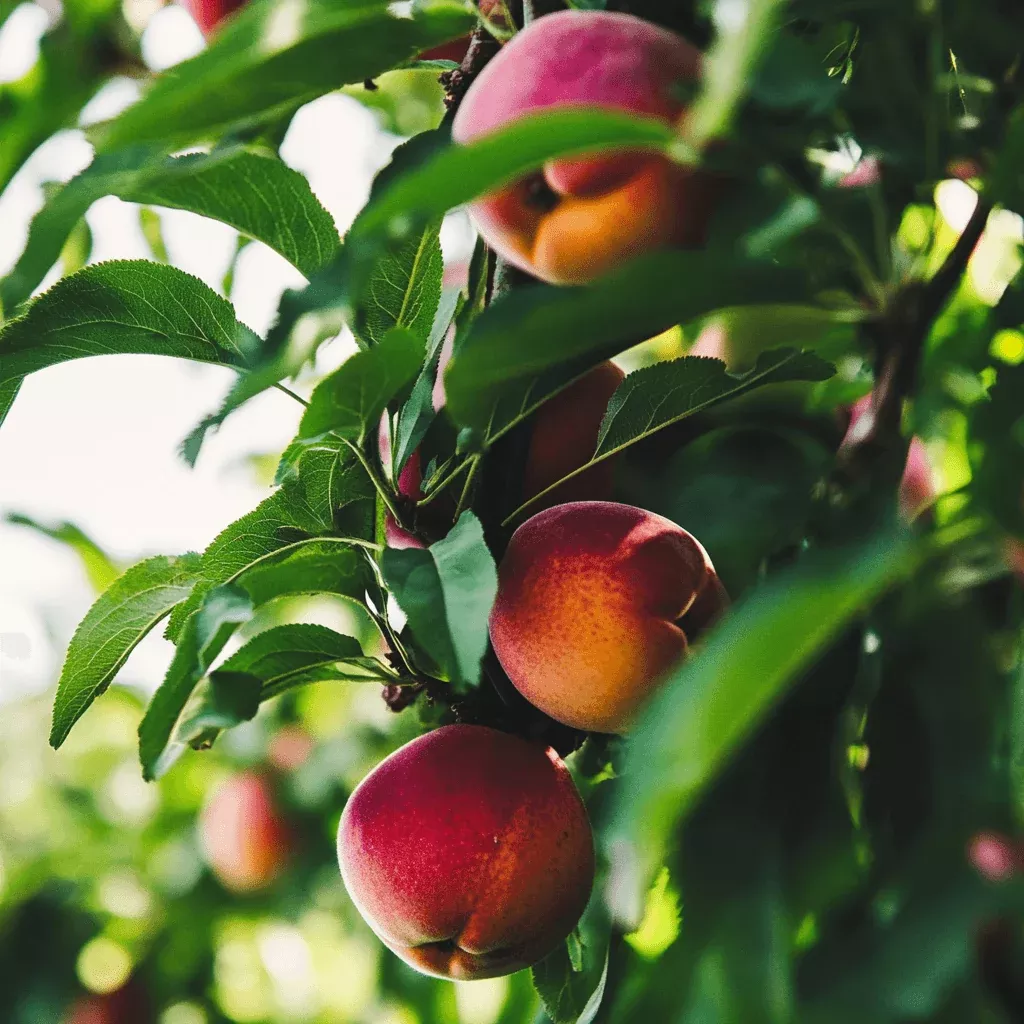
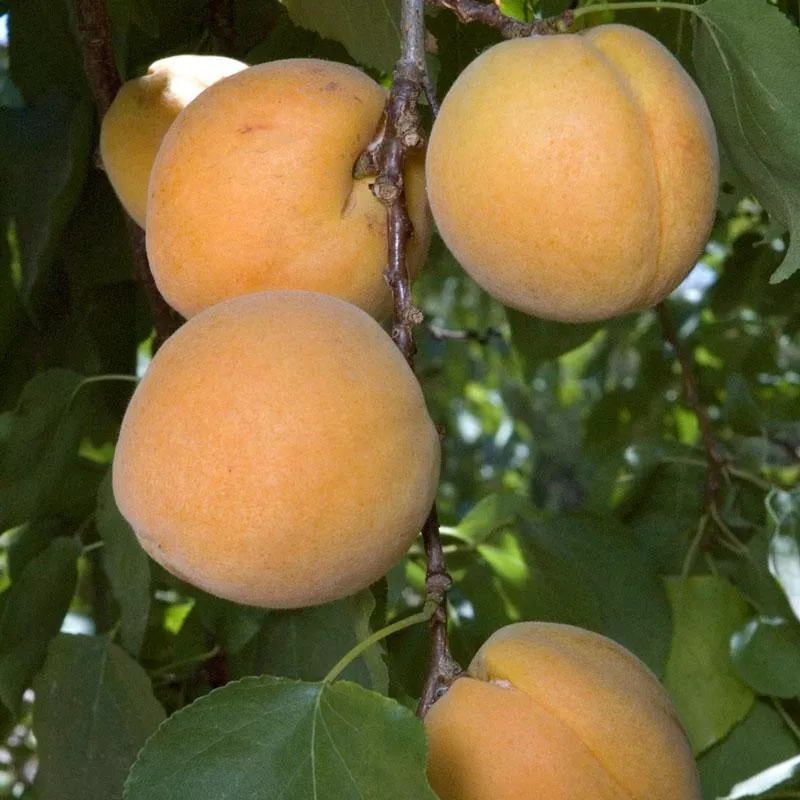
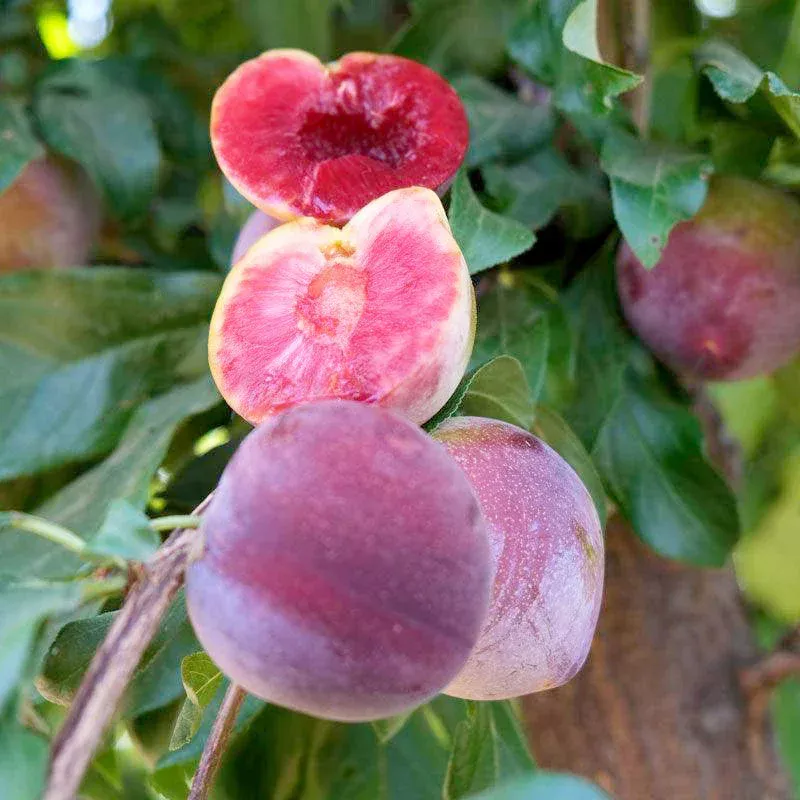
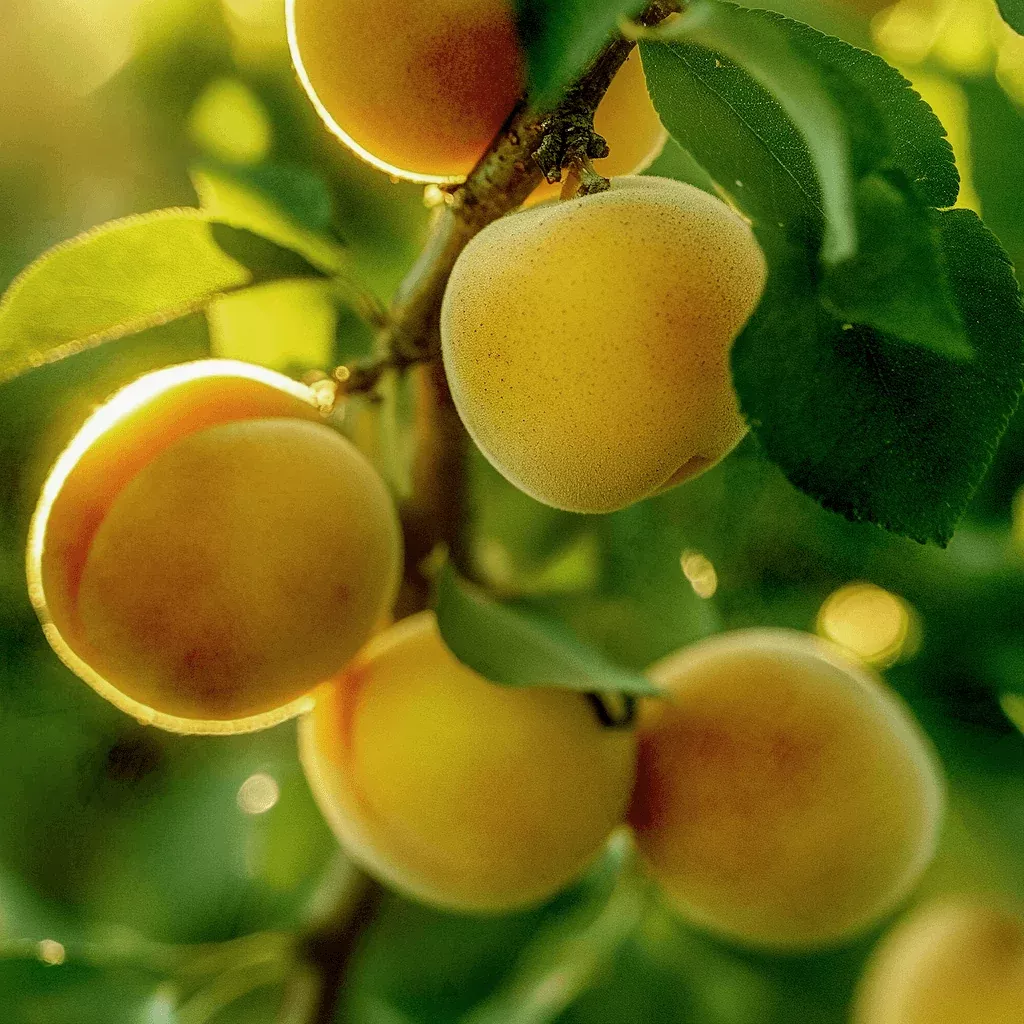
Double Delight Nectarine Tree gives gardeners two distinct reasons to look forward to the growing season. In spring, vivid double pink blossoms cover the branches with a display that feels more like an ornamental flowering tree than a conventional orchard variety. Summer follows with smooth, red-blushed nectarines and firm yellow freestone flesh, delivering a bright balance of sweetness, tang, and classic nectarine aroma. The fruit is flavorful enough to enjoy straight from the tree and sturdy enough for grilling, baking, preserves, and freezing. This combination of showy bloom and useful harvest makes Double Delight especially rewarding in a visible part of the garden, where it can contribute beauty before the fruit even begins to form. It is an excellent choice for shoppers who want an edible landscape tree that earns attention in more than one season. Double Delight was introduced by Zaiger Genetics as part of its breeding work combining ornamental bloom with dessert-quality fruit.
This adaptable variety needs about 300 chill hours and grows across USDA zones 6–10. Harvest commonly falls from early to mid-July. Plant it where the blossoms and fruit can be enjoyed in full sun, with well-drained soil and room for air to move through the canopy. Regular thinning improves fruit size and reduces strain on branches.
Double Delight is self-fruitful and capable of cropping by itself. Another peach or nectarine with overlapping bloom may draw additional pollinators and support fruit set. Pairing it with an earlier white nectarine also creates an appealing contrast in color, acidity, and harvest timing.
Double Delight Nectarine Tree Details
Fruit: Medium yellow-fleshed freestone nectarine with red-blushed skin
Flavor and texture: Sweet, tangy, aromatic, and lively
Best uses: Fresh eating, grilling, baking, preserves, and freezing
Harvest: Early to mid-July
USDA zones: 6–10
Chill hours: About 300 hours
Tree size: Semi-dwarf on Citation rootstock
Rootstock: Citation
Pollination: Self-fruitful and productive on its own; another compatible variety with overlapping bloom may encourage pollinator activity and support fruit set.
Recommended companions: Plant with Snow Queen Nectarine for an earlier white-fleshed crop or Suncrest Peach for midseason variety.
Special care: Prune for an open canopy and thin clusters so developing nectarines do not crowd one another.
Something Special: Double Delight was introduced by Zaiger Genetics as part of its breeding work combining ornamental bloom with dessert-quality fruit.