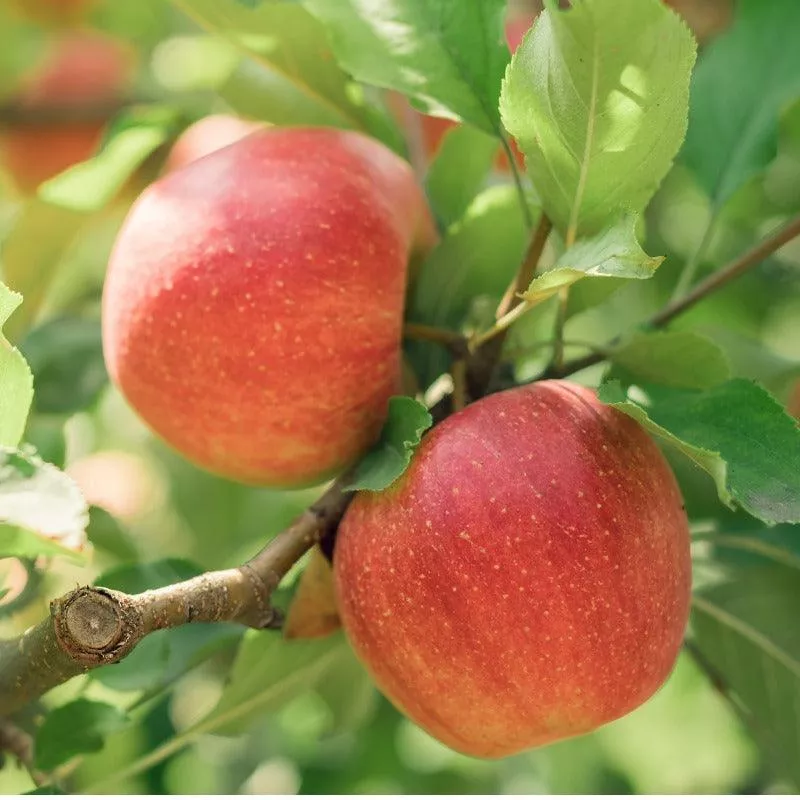
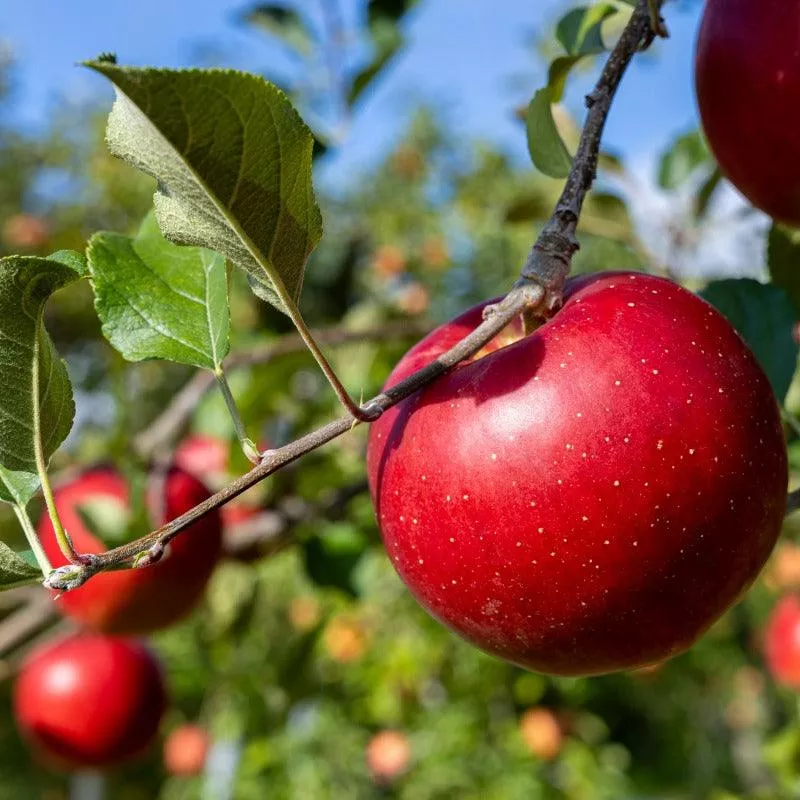
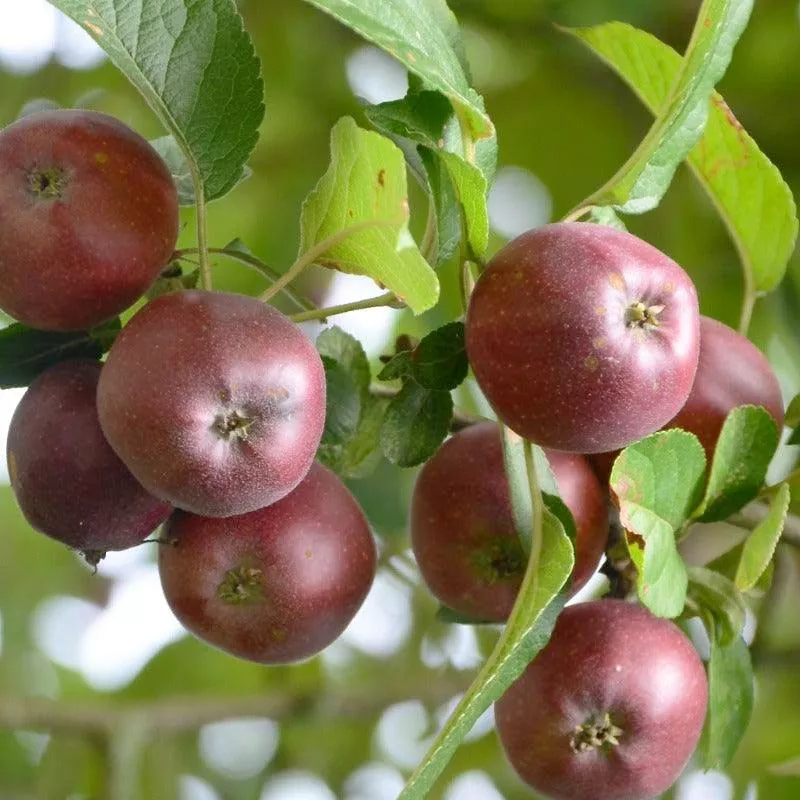
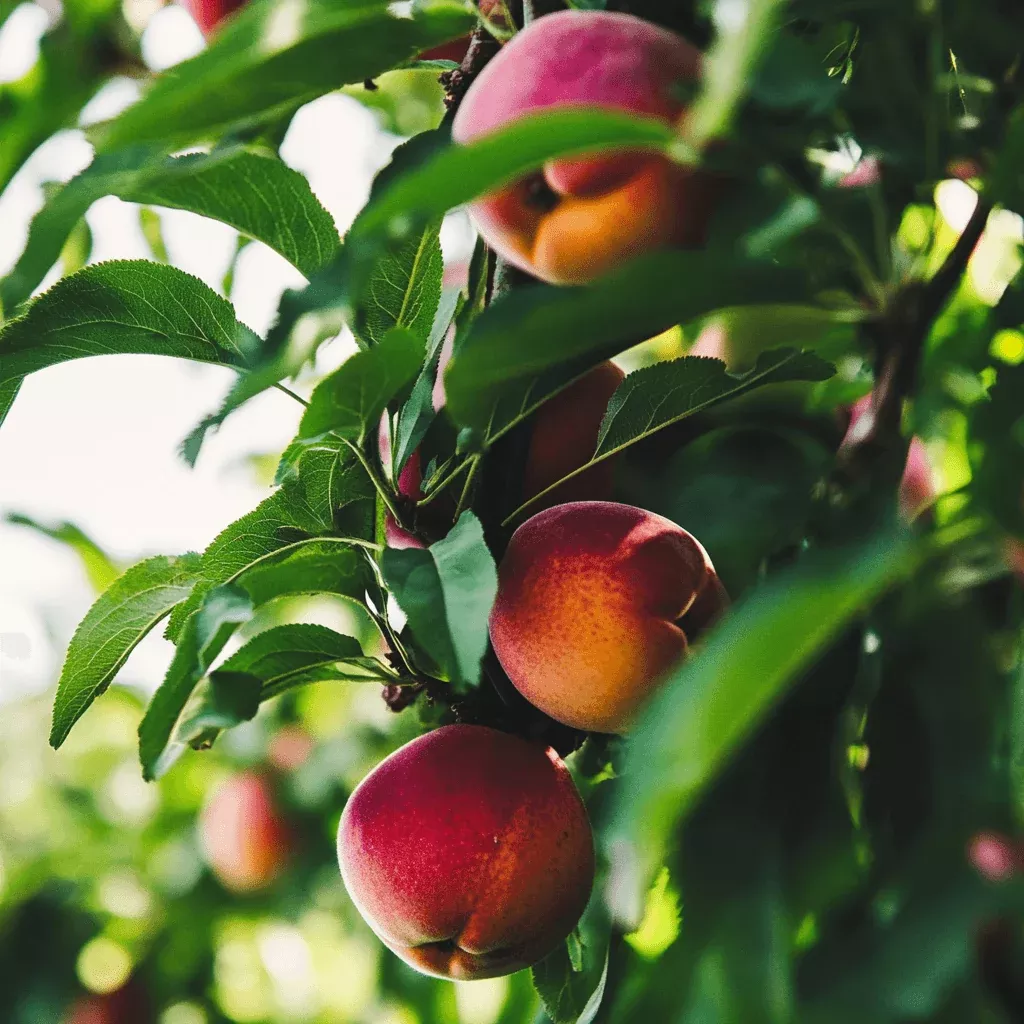
Spitzenburg Apple Tree is a celebrated American heirloom for orchardists who want an apple with intensity, aroma, and a story worth sharing. Medium fruit ripens deep red over yellow, with dense yellowish flesh that is firm, juicy, moderately sweet, and sharpened by a distinctive spicy note. That layered flavor makes Spitzenburg exceptional for fresh dessert use and equally valuable for pies, sauce, and cider. The apples are also known as good keepers, allowing their character to be enjoyed well beyond harvest. Often called Esopus Spitzenburg after the New York community where it was discovered, the variety has been associated with Thomas Jefferson and early American orchard culture. Its spring bloom and handsome red crop bring traditional beauty to the garden, while the complex fruit appeals to modern cooks and collectors looking beyond familiar supermarket apples. Esopus Spitzenburg takes the first part of its name from Esopus, New York, the Hudson Valley community associated with its discovery.
Spitzenburg is suited to USDA zones 4–8, requires a confirmed 800 chill hours, and grows semi-dwarf on M-111 rootstock., harvest generally spans mid-September through early October. Plant in full sun and well-drained soil, then prune and thin carefully so light reaches the fruiting wood and branches can support the developing crop.
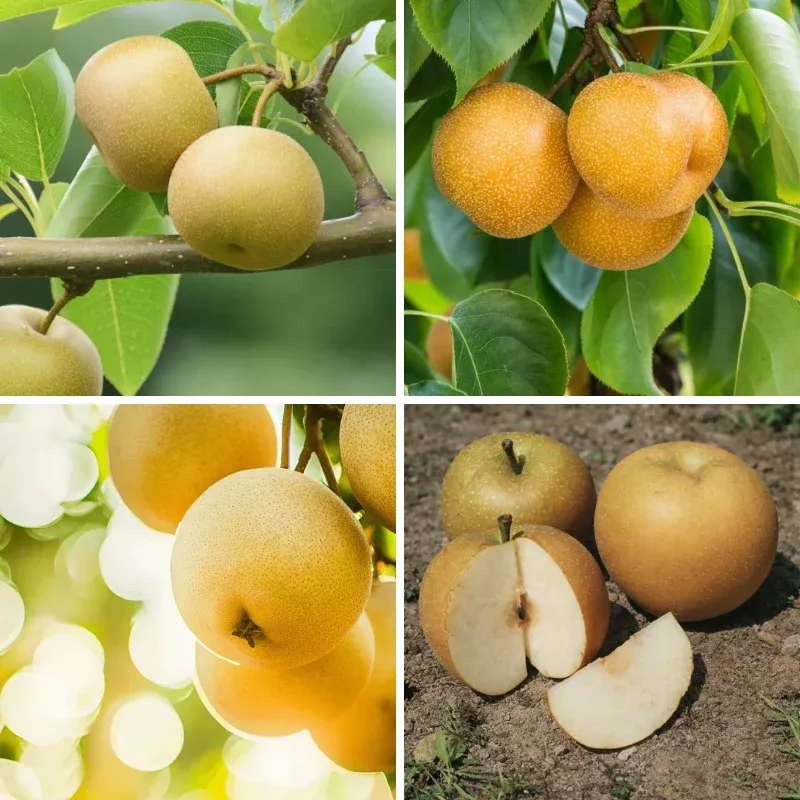
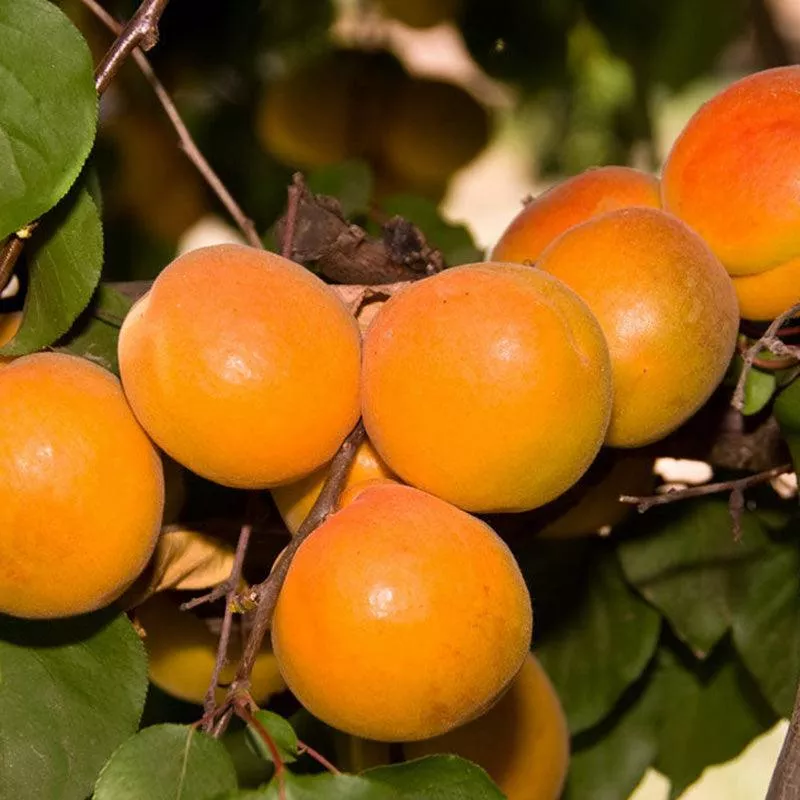
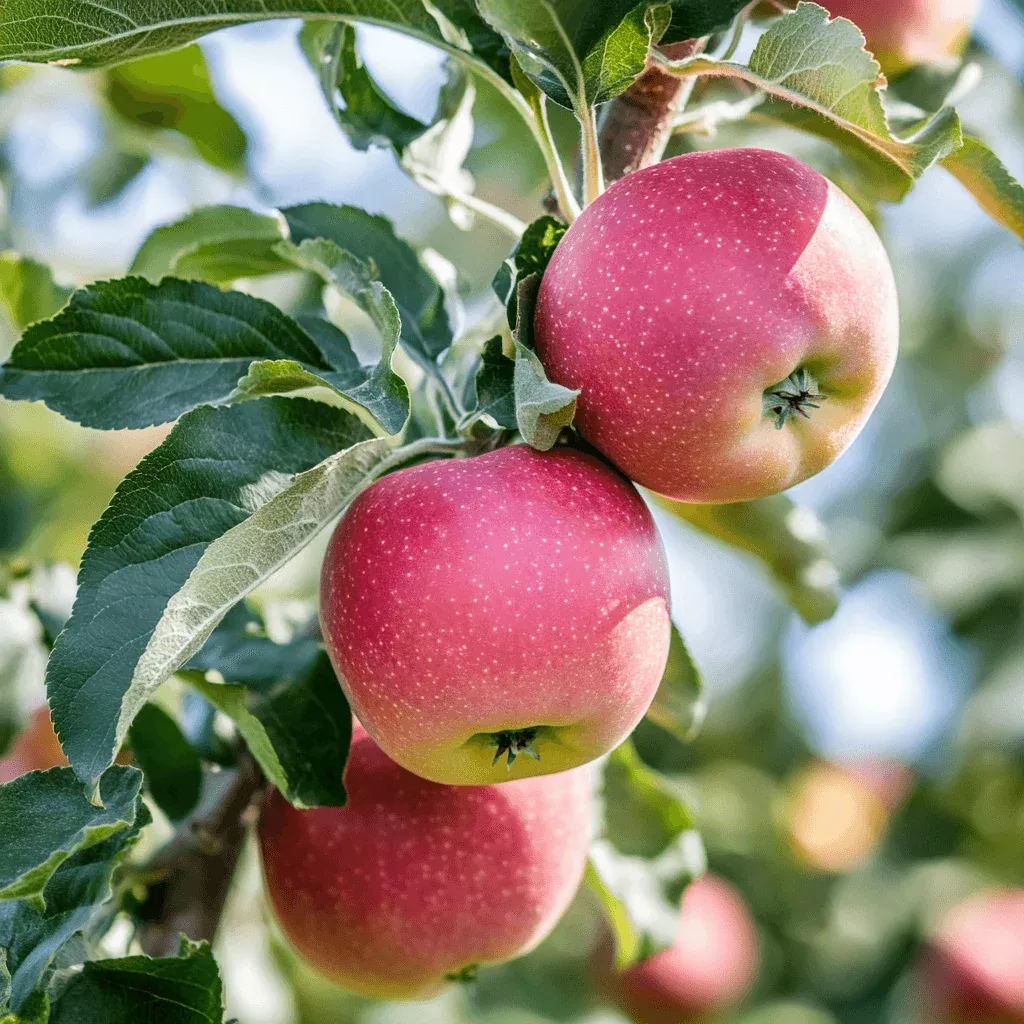
Spitzenburg requires a compatible apple nearby for pollination. The confirmed partner is Fuji Red. Adding another apple with overlapping bloom, such as Golden Delicious, can broaden bloom activity and strengthen the orchard’s pollination plan.
Spitzenburg Apple Tree Details
Fruit: Medium apples with deep red-over-yellow skin and dense yellowish flesh
Flavor and texture: Firm, juicy, moderately sweet, sharp, and spicy
Best uses: Fresh eating, baking, sauce, cider, and storage
Harvest: Mid-September to early October
USDA zones: 4–8
Chill hours: 800
Tree size: Semi-dwarf on M-111 rootstock
Rootstock: M-111
Pollination: Requires another compatible apple
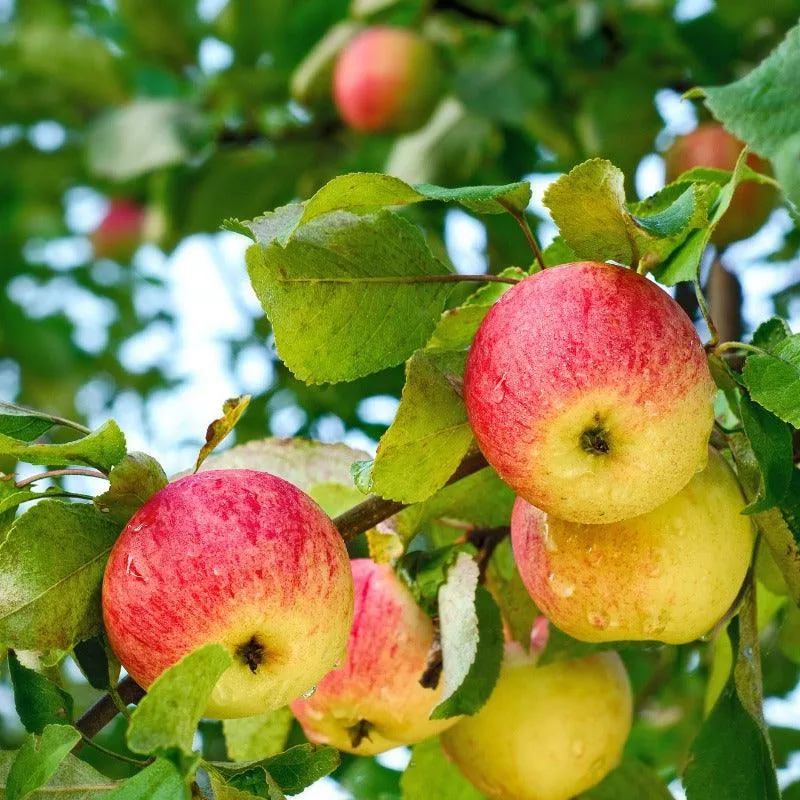
Recommended pollinizers: Fuji Red; consider Golden Delicious as an additional orchard companion
Special care: Thin fruit and prune to keep productive wood well lit
Something Special: Esopus Spitzenburg takes the first part of its name from Esopus, New York, the Hudson Valley community associated with its discovery.