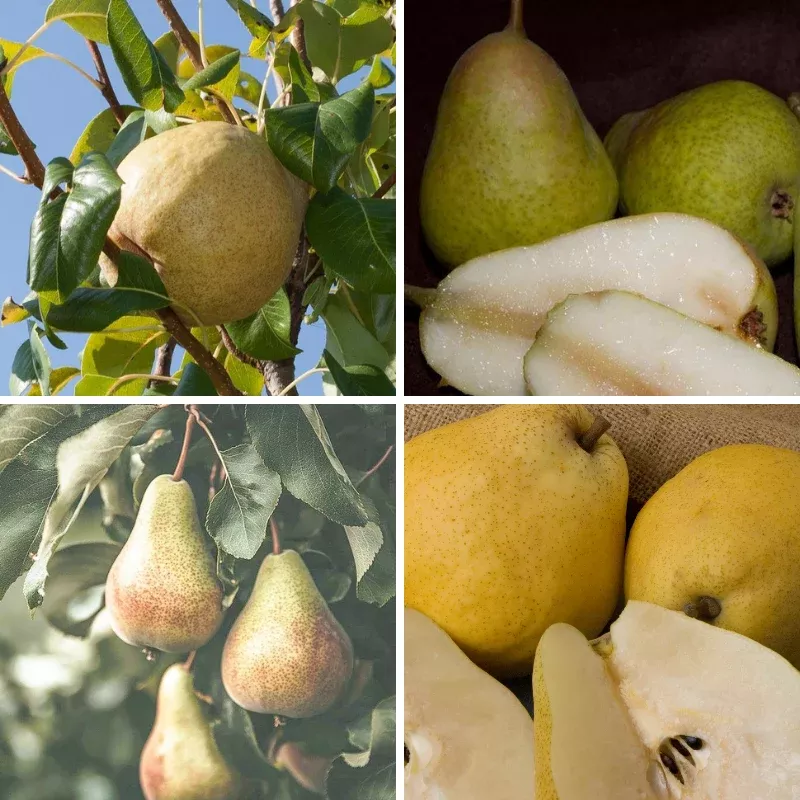
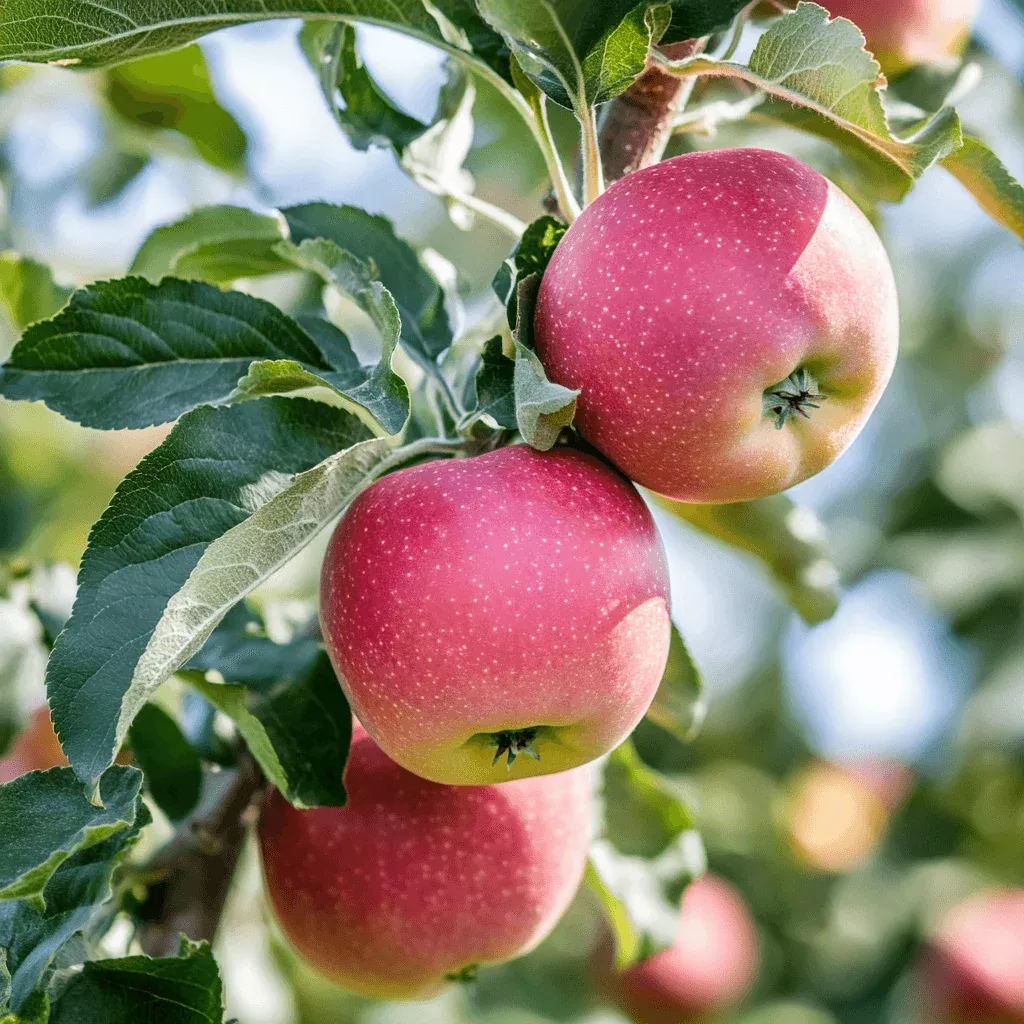
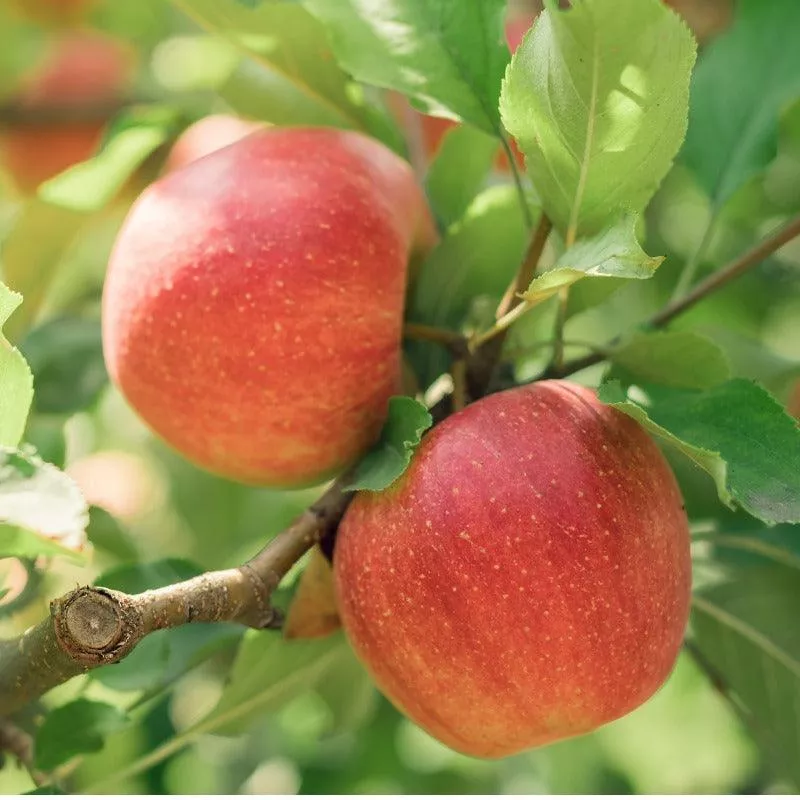
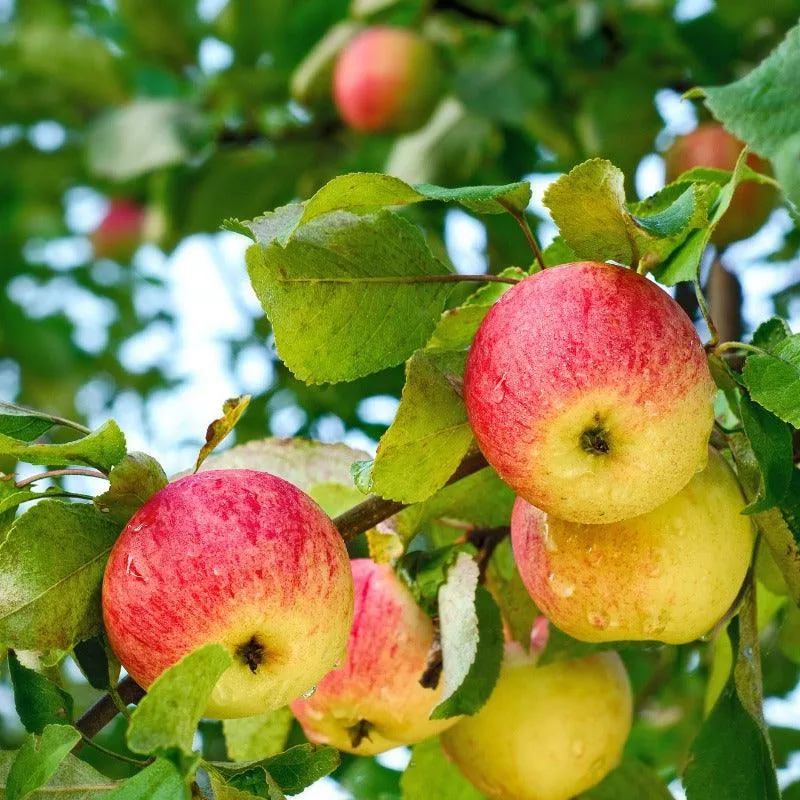
Disease Resistant Pears, 4 on 1 Multi Grafted Fruit Tree combines several carefully selected pear varieties in one space-saving canopy. Each graft can contribute fruit with its own color, texture, flavor, and ripening season, creating a harvest that may stretch from midsummer well into fall. The possible varieties are chosen for useful disease resistance as well as eating quality, making the tree especially appealing to gardeners who want diversity with a more resilient orchard foundation. Exact grafts vary with nursery availability and cannot be selected, so each tree arrives as its own pear assortment. White spring blossoms support pollinators before branches begin carrying fruit for fresh eating, baking, preserving, and sharing. For a smaller garden—or any orchard where one tree needs to do more—this multi-graft offers variety, built-in pollination, and an engaging season of discovery.
This tree grows semi-dwarf on OHxF333 rootstock and is suited to USDA zones 5–10, with a confirmed 200–600 chill-hour range. The combined harvest may span mid-July through mid-October. Plant in full sun and well-drained soil. Label each scaffold while tags are visible and balance annual pruning so one vigorous graft does not dominate the shared canopy.
The compatible grafts pollinate one another, so a separate pear is not required. Another pear such as Bartlett can still increase bloom activity and add another harvest experience.
Disease Resistant Pear Multi-Graft Details
Fruit: A varied assortment of European pears across several grafts
Flavor and texture: A changing mix of juicy, sweet, crisp, or buttery fruit
Best uses: Fresh eating, baking, preserving, and desserts
Harvest: Mid-July to mid-October
USDA zones: 5–10
Chill hours: 200–600
Tree size: Semi-dwarf on OHxF333 rootstock
Rootstock: OHxF333
Pollination: Compatible grafts pollinate within the shared canopy
Recommended companion: Bartlett Pear Tree
Special care: Label scaffolds and balance pruning so every graft receives light and space
Something special: One trunk can carry several disease-resistant pear selections and months of changing harvests.