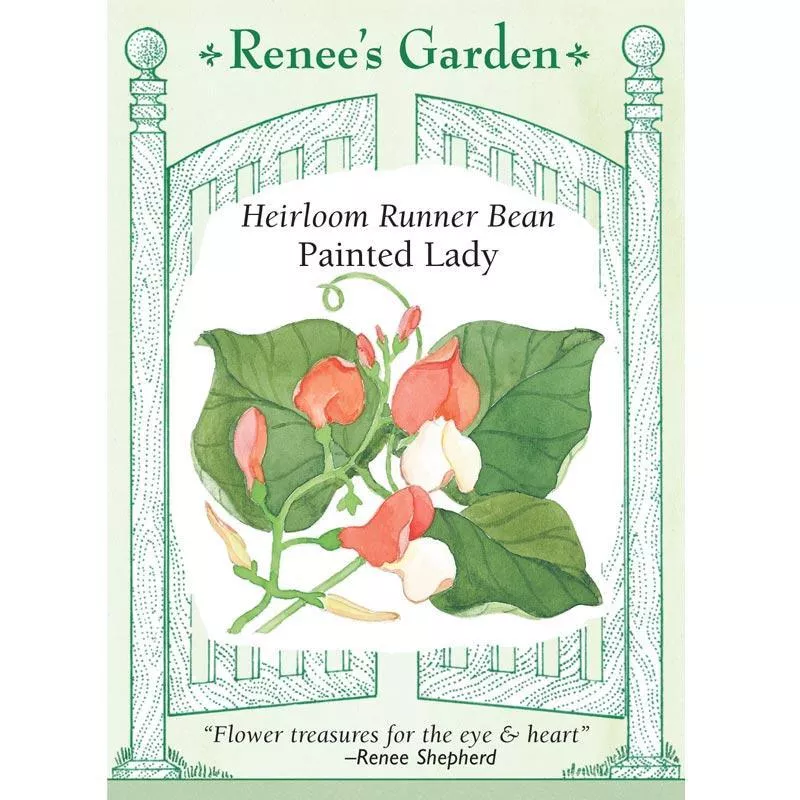
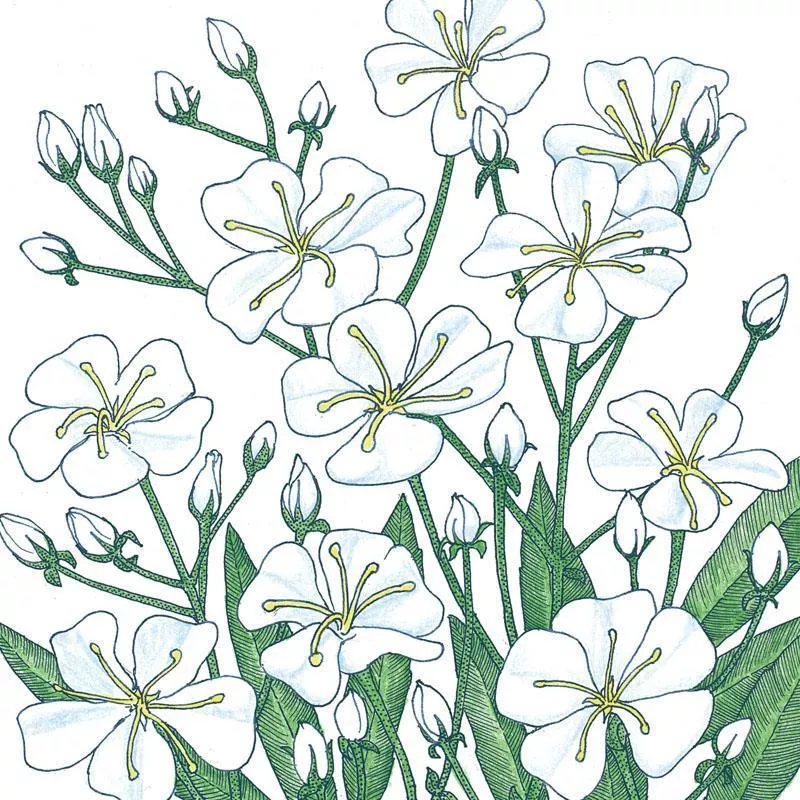
Runner Beans Painted Lady is a striking heirloom variety celebrated for its vivid red and white bicolor blossoms and abundant, tender pods. This variety not only produces a heavy yield of stringless beans but also serves as a showy ornamental plant, while also attracting pollinators. The long, crisp pods are flavorful and versatile, suited to steaming, stir-frying, or adding to fresh summer salads. Painted Lady runner beans thrive in full sun and nutrient-rich, well-draining soil. With their climbing habit, they require a sturdy trellis or support, quickly transforming your garden into a vertical display of vibrant blooms and lush foliage.
Variety Details
Botanical name:Phaseolus coccineus
Plant type: Annual
Growth habit: Vining
Crop category: Bean
Kitchen profile: Known for their resilience and beauty, Painted Lady beans are also tolerant of cooler climates, making them a reliable choice for a wide range of growing conditions.
Product format: Seed packet
Sowing & Growing
Soil Temperature: above 50°F
Planting Depth: 1″
Germination: 7-10 Days
Height At Maturity: 8-10 feet
Sun/Shade: Full Sun
Spacing After Thinning: 6″
Sow ‘Painted Lady’ Heirloom Runner Bean after the soil has warmed and cold, wet conditions have passed. Use the recorded spacing and provide support when the variety has a climbing habit. Check moisture at root depth, especially during flowering and pod development, while avoiding a rigid calendar. Harvest pods at the stage described for the variety and continue checking plants as more pods develop. Allow seed-saving or dry-bean pods to mature according to the intended use.
Before sowing ‘Painted Lady’ Heirloom Runner Bean, review the packet alongside the current product details and note any range in temperature, germination, or maturity. Ranges reflect biological and seasonal variation rather than a fixed promise. Label each planting with its date and location, then compare emergence, growth, and harvest with local weather. This record is useful for succession plantings and for deciding whether the crop fits better into an earlier or later seasonal window.