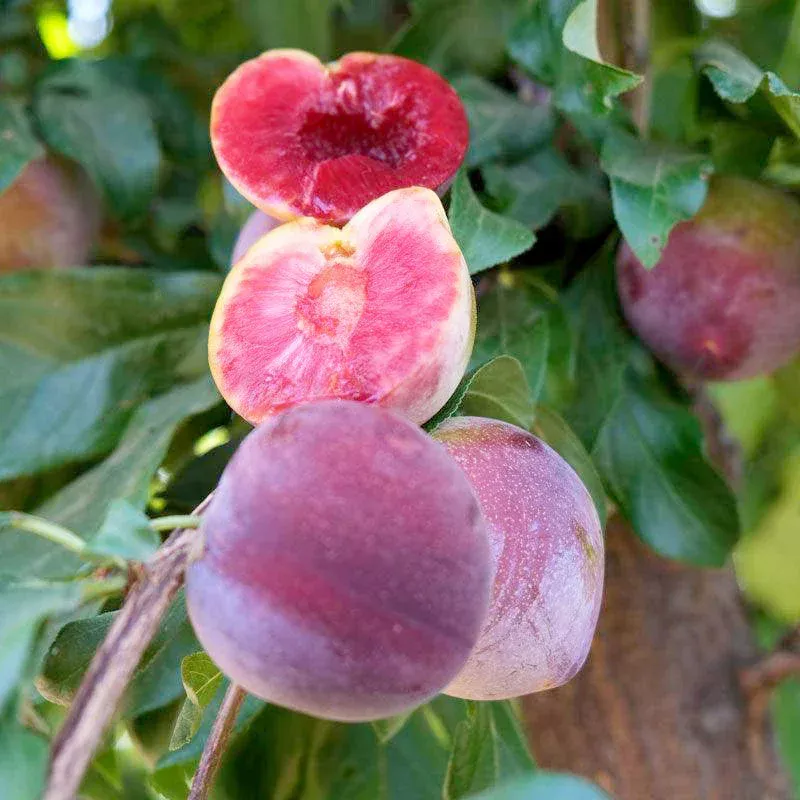
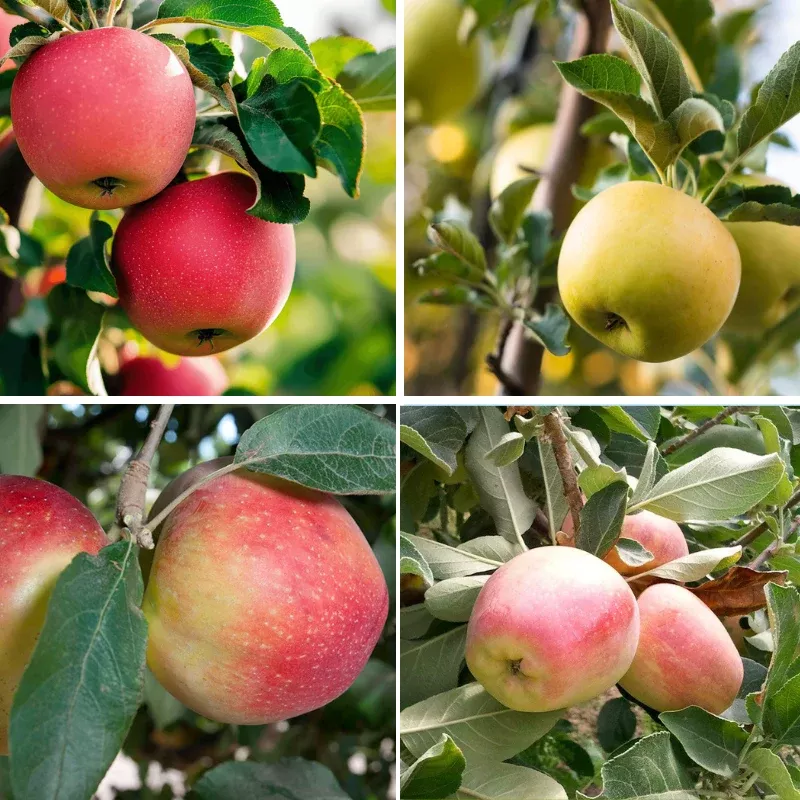
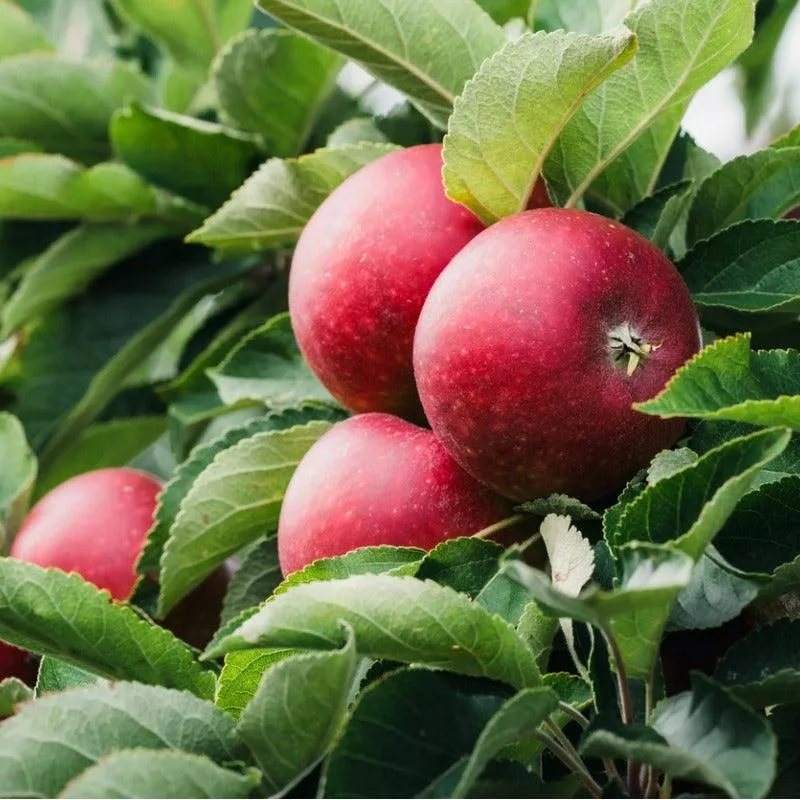
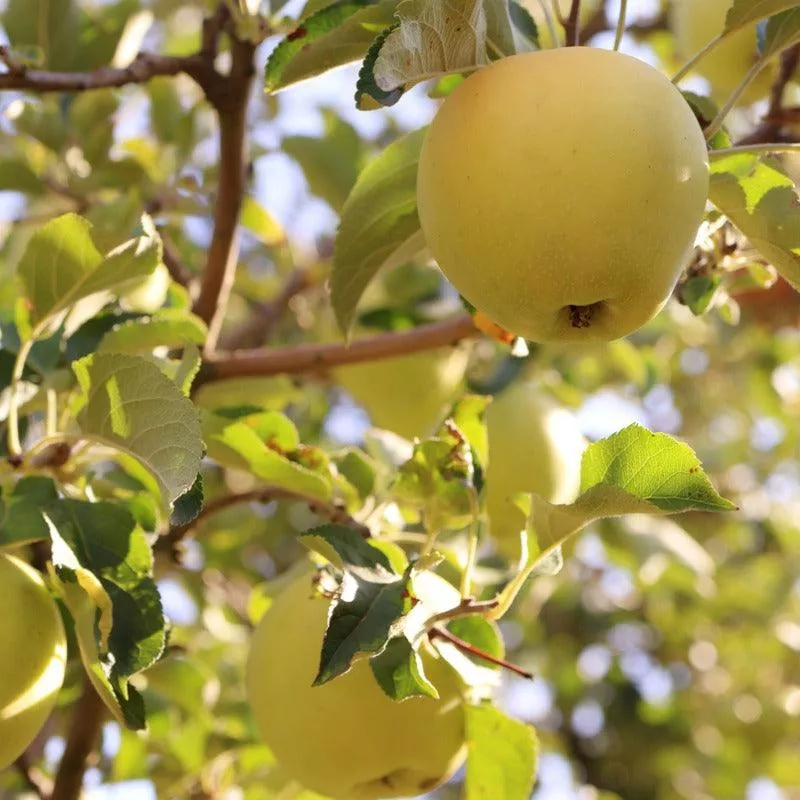
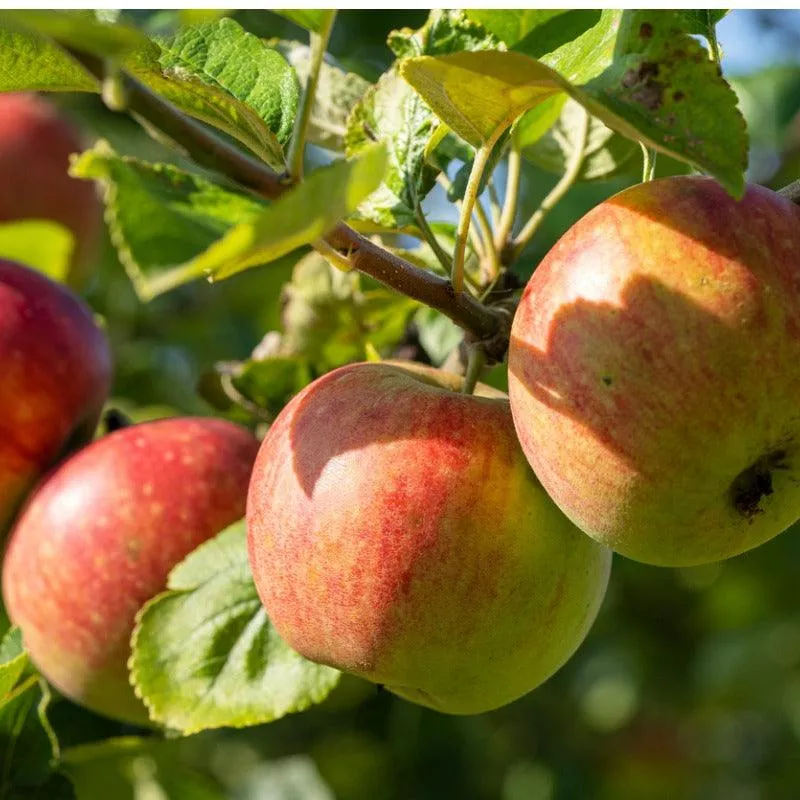
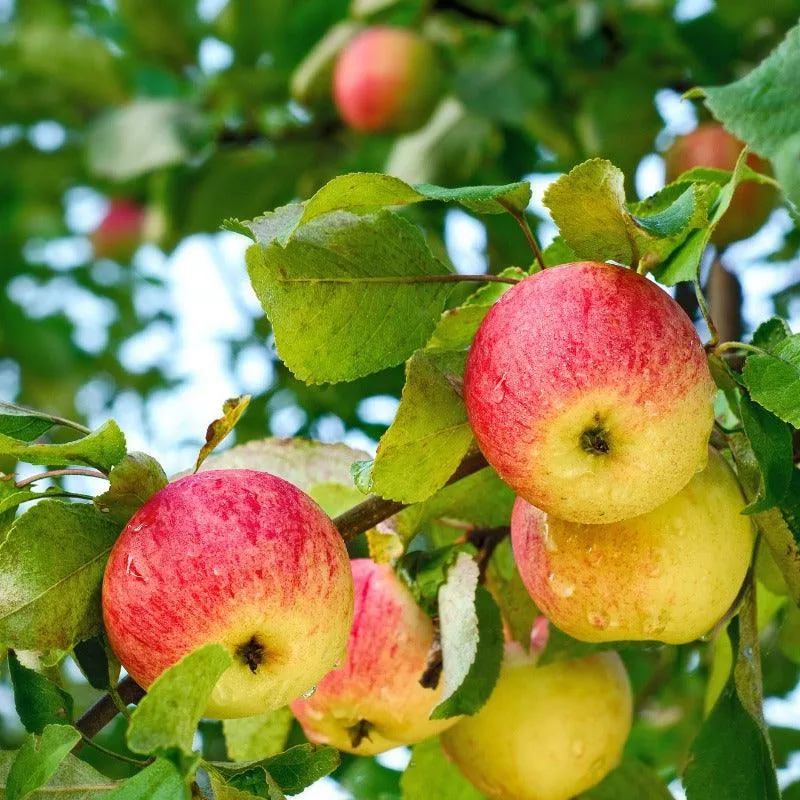
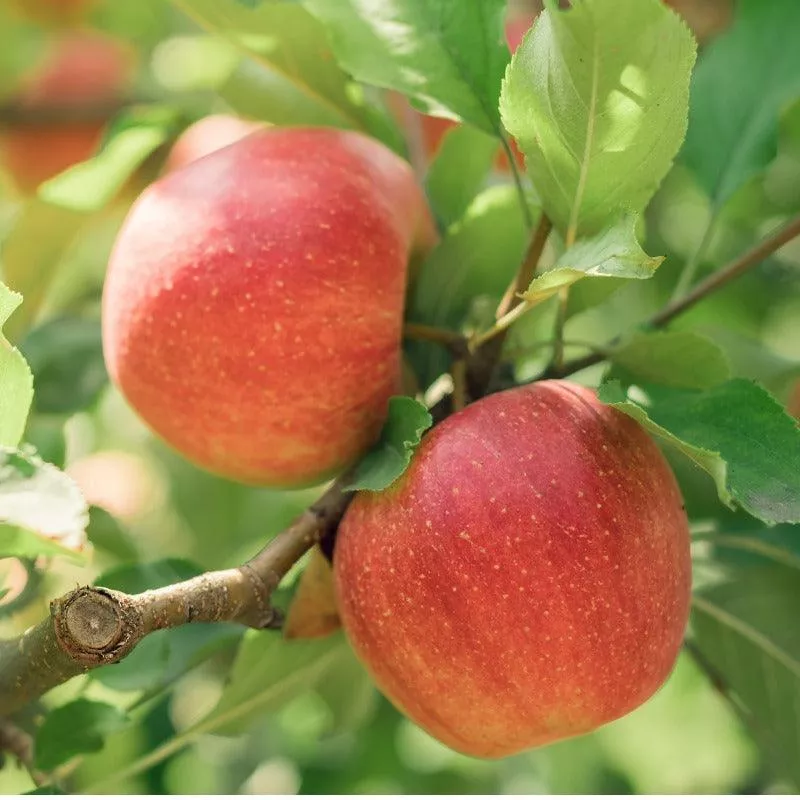
Utah Giant lives up to its name with exceptionally large, handsome cherries that make a homegrown harvest feel abundant and impressive. The fruit colors to deep red and develops firm, meaty flesh with a rich sweetness that is especially satisfying eaten fresh. Its substantial texture also performs beautifully in canning, baking, and other recipes where smaller or softer cherries can lose their character. In spring, the tree covers itself with white blossoms before settling into a strong leafy canopy, bringing ornamental value to the orchard well ahead of harvest. The combination of oversized fruit, excellent eating quality, and dependable cold-climate performance has made Utah Giant a favorite for gardeners who want a cherry with real visual impact. With adequate winter chill and a compatible pollinizer nearby, it can become a memorable centerpiece in a productive backyard orchard.
Plant Utah Giant in full sun and well-drained soil with good air circulation. The confirmed sheet lists Maxma 14 rootstock, which creates a productive, manageable orchard tree. Maintain an open canopy with regular pruning, water consistently while fruit sizes, and protect the ripening crop from birds.
Utah Giant requires a compatible sweet cherry with overlapping bloom. Bing, Rainier, or Van are confirmed partners carried in this collection. A pollinizer should be planted within normal bee-flying distance to support reliable fruit set.
Utah Giant Cherry Tree Details
Fruit: Extra-large deep-red sweet cherries with firm, meaty flesh
Flavor and texture: Rich, sweet, and satisfying with a substantial bite
Best uses: Fresh eating, canning, baking, freezing, and preserves
Harvest: Late May to early June
USDA zones: 4–9
Chill hours: About 800 hours
Tree size: Standard on Maxma 14 rootstock
Rootstock: Maxma 14
Pollination: Requires a compatible sweet cherry
Recommended pollinizers or companions: Bing, Rainier, or Van
Special care: Full sun, excellent drainage, open-canopy pruning, even moisture, and bird protection
Something special: Utah Giant was selected for remarkably large fruit and became a regional favorite in the Intermountain West.