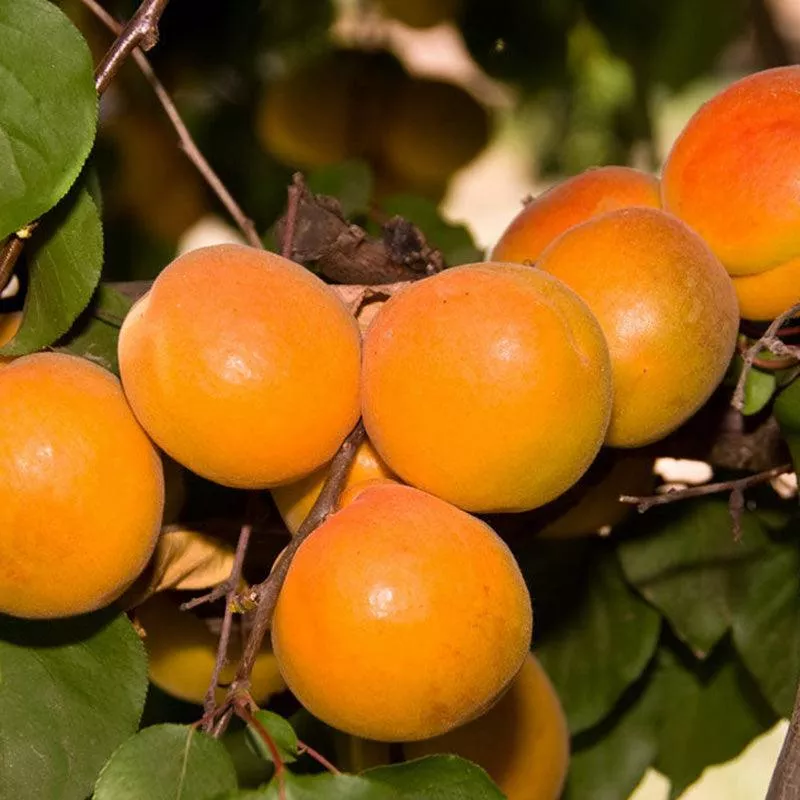
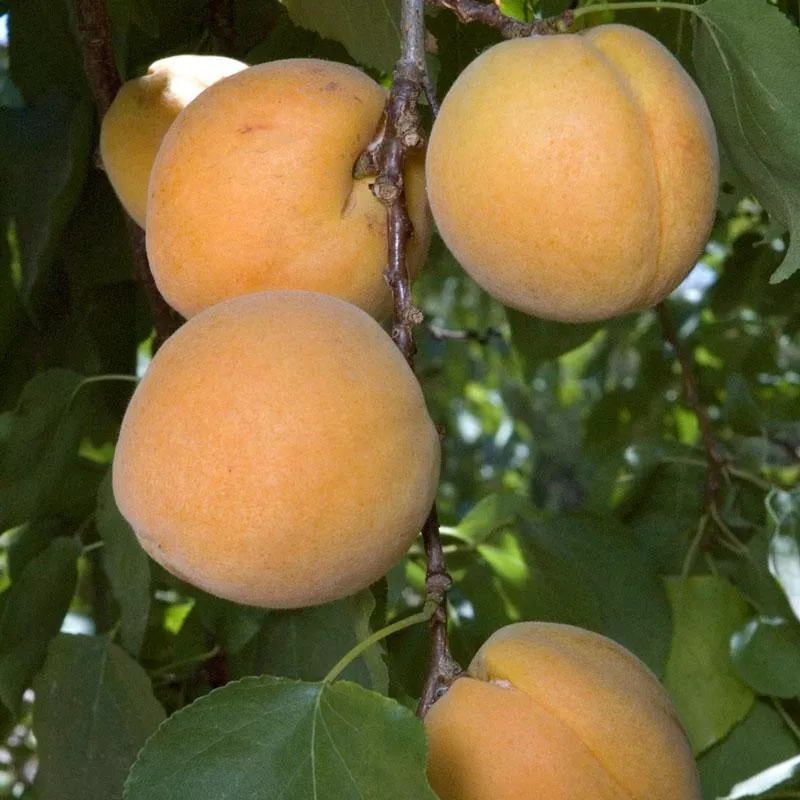
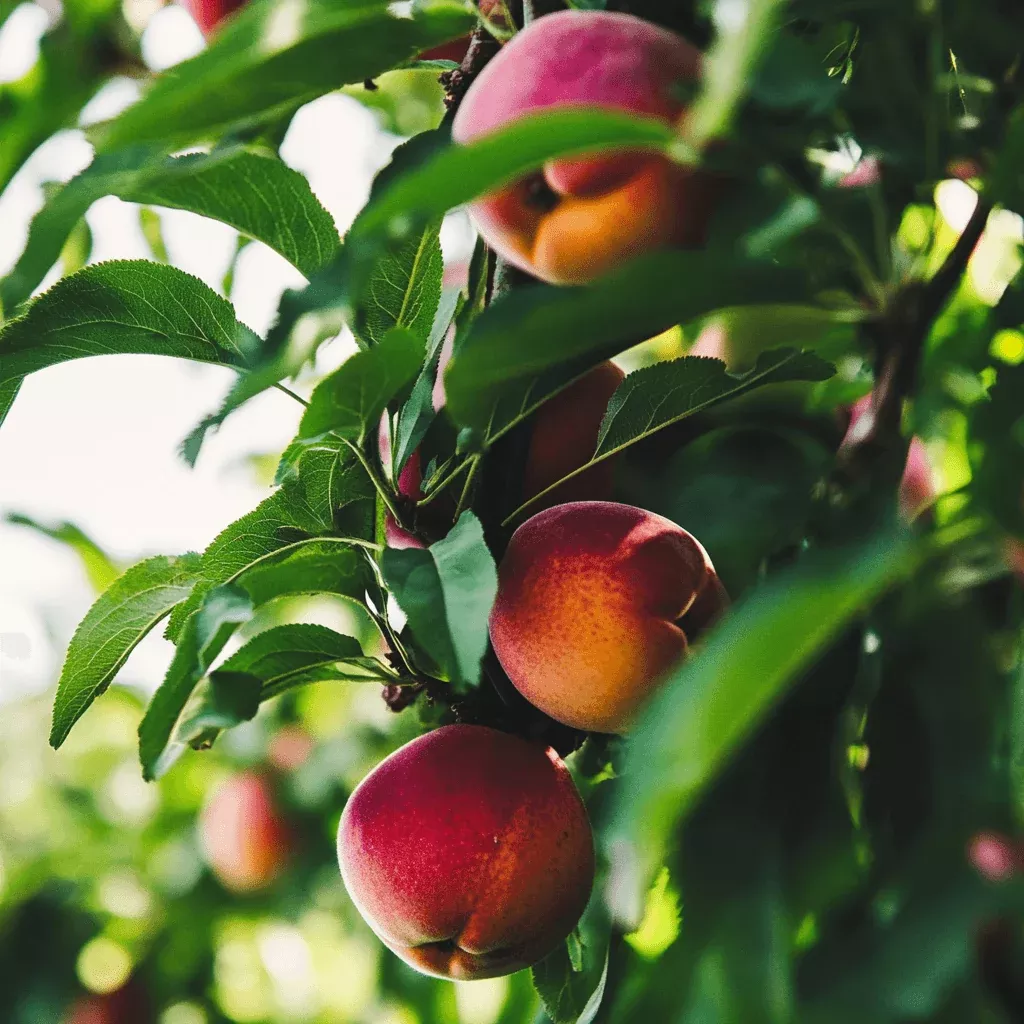
Harcot brings color, fragrance, and resilience together in a handsome apricot suited to colder orchard climates. Its medium-sized fruit develops bright orange skin washed with a striking reddish blush, while the firm flesh inside is sweet, aromatic, and flavorful. The fruit has enough structure for canning and drying, yet its perfume and balanced sweetness make it equally rewarding fresh from the tree. Harcot’s later bloom is a practical advantage in areas where early apricot flowers are often threatened by spring frost, and the blossom display adds its own ornamental beauty before the crop begins to form. Developed for cold hardiness and dependable performance, this variety gives northern gardeners an opportunity to grow high-quality apricots without sacrificing eating pleasure. For a home orchard that needs both toughness and attractive dessert fruit, Harcot is a particularly thoughtful and satisfying selection. The Harcot name joins “Har,” for Canada’s Harrow research station, with “cot,” the familiar ending used for apricot cultivars.
Plant in full sun and well-drained soil, avoiding sites that remain wet. Citation rootstock produces a manageable semi-dwarf tree. Prune for an open canopy, maintain even moisture during fruit development, and watch local forecasts even though its later bloom can reduce frost exposure.
Harcot is self-fruitful and can set fruit alone. Another compatible apricot with overlapping bloom can increase pollinator visits, may improve production, and adds another harvest window to a cold-climate orchard.
Harcot Apricot Tree Details
Fruit: Medium-sized bright orange apricots with a reddish blush
Flavor and texture: Firm, sweet, aromatic, and flavorful
Best uses: Fresh eating, canning, drying, and preserves
Harvest: Early to mid-June
USDA zones: 4–9
Chill hours: About 700 hours
Tree size: Semi-dwarf on Citation rootstock
Rootstock: Citation
Pollination: Self-fruitful; another compatible apricot can be beneficial
Recommended pollinizers or companions: Consider Chinese Apricot or Earli Autumn
Special care: Full sun, excellent drainage, open-canopy pruning, and frost awareness during bloom
Something Special: The Harcot name joins “Har,” for Canada’s Harrow research station, with “cot,” the familiar ending used for apricot cultivars.