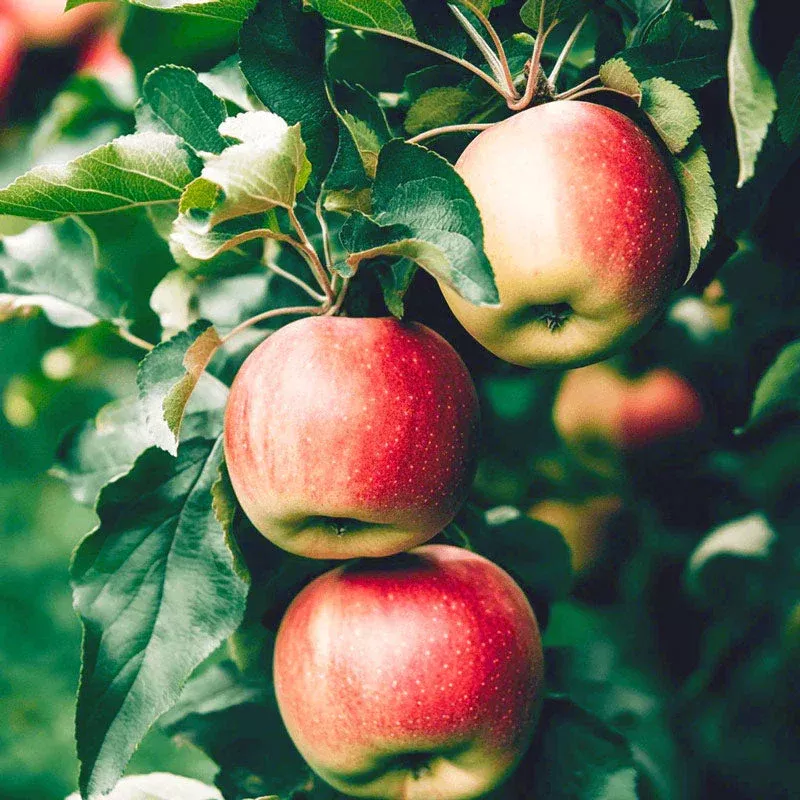
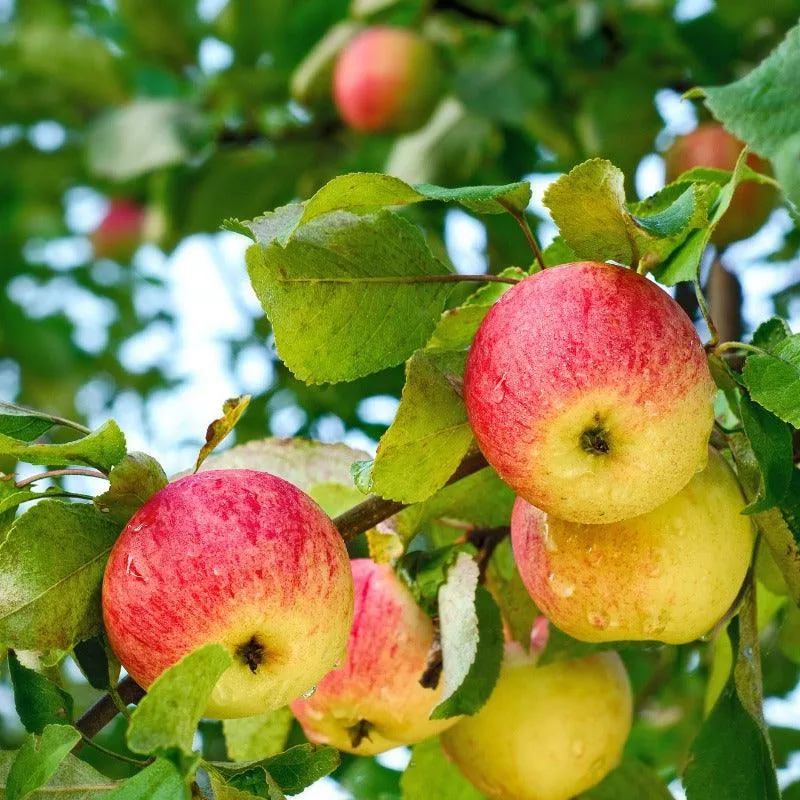
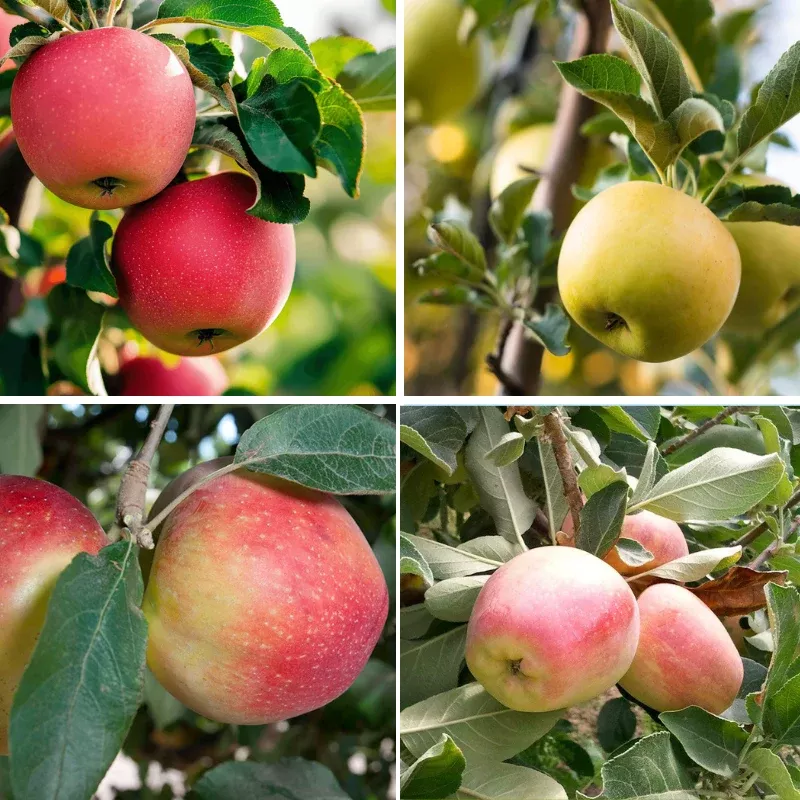
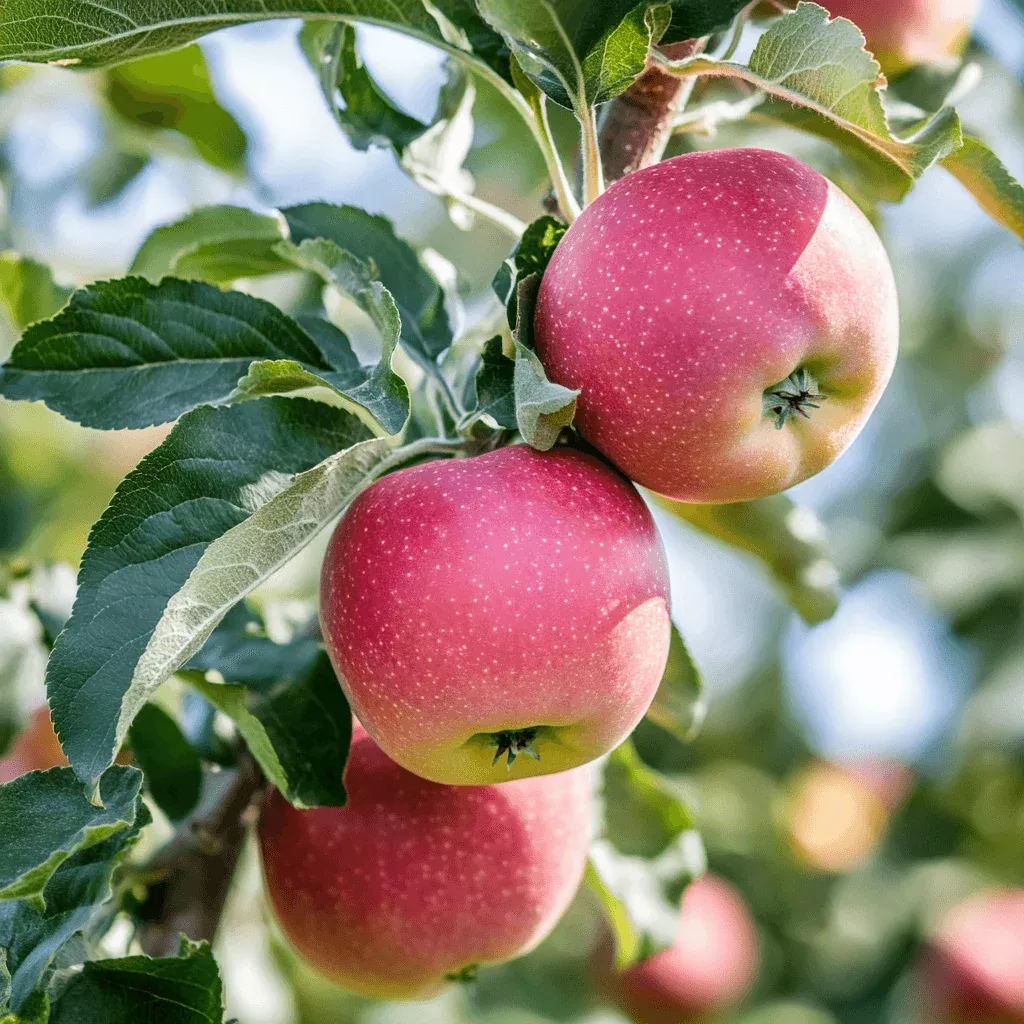
Honey Crisp Apple Tree offers the kind of harvest that can turn a casual apple eater into an orchard enthusiast. Its medium-to-large apples develop mottled red and yellow skin around exceptionally crisp, juicy flesh, with a clean balance of honeyed sweetness and refreshing acidity. The famous crunch comes from large, juice-filled cells that seem to burst with each bite, making the fruit outstanding for fresh eating, lunchboxes, salads, and cheese boards. Honey Crisp also works well in cider and baking and can retain its appealing texture in storage. In spring, clouds of pale blossoms make the tree an attractive part of the edible landscape before the premium fruit begins to form. For cold-winter gardens with room for a pollination partner, this modern favorite delivers a truly memorable eating experience. Honeycrisp carried the experimental designation MN 1711 before the University of Minnesota selected its commercial name.
Plant in full sun and well-drained soil where the tree receives its confirmed 800–1,000 chill hours. It is suited to USDA zones 3–9 and grows semi-dwarf on M-111 rootstock., harvest is typically early to mid-August. Consistent irrigation, thoughtful dormant pruning, and firm thinning are especially useful for developing large fruit and helping manage the variety’s tendency toward uneven annual cropping.
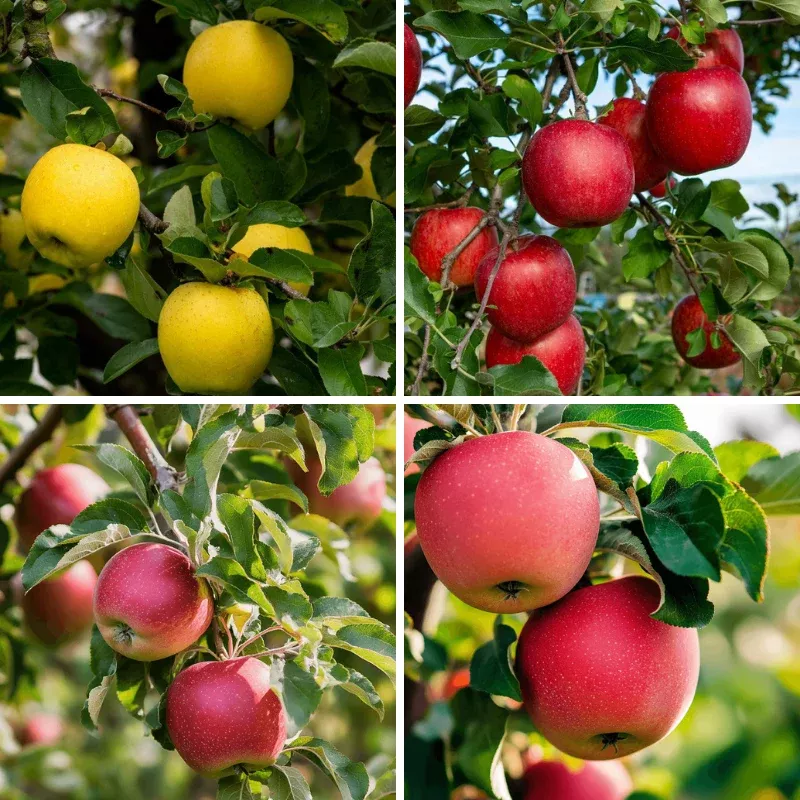
Honey Crisp requires a compatible apple nearby for reliable production. Confirmed partners include Empire, Gala, Granny Smith, McIntosh, and Red Delicious.
Honey Crisp Apple Tree Details
Fruit: Medium to large apples with mottled red-over-yellow skin
Flavor and texture: Explosively crisp, juicy, sweet, and gently tart
Best uses: Fresh eating, salads, baking, cider, and storage
Harvest: Early to mid-August
USDA zones: 3–9
Chill hours: 800–1,000
Tree size: Semi-dwarf on M-111 rootstock
Rootstock: M-111
Pollination: Requires another compatible apple
Recommended pollinizers: Gala, Granny Smith, or McIntosh
Special care: Thin fruit assertively and keep moisture consistent during fruit development
Something Special: Honeycrisp carried the experimental designation MN 1711 before the University of Minnesota selected its commercial name.